Why Your Cheap No-Dig Fence Will Fail in 2-5 Years (While Concrete Ones Last Decades)
The fence industry is flooded with slick marketing pushing "no-dig" installations as revolutionary—faster, cleaner, cheaper. They pound spikes, drive posts, or use surface anchors and swear it's just as strong. Bullshit. Traditional concrete footings crush no-dig methods for any fence that actually needs to stand upright against wind, frost, kids, dogs, or time. Here's the raw engineering and real-world truth.
What is "No-Dig" Fence?
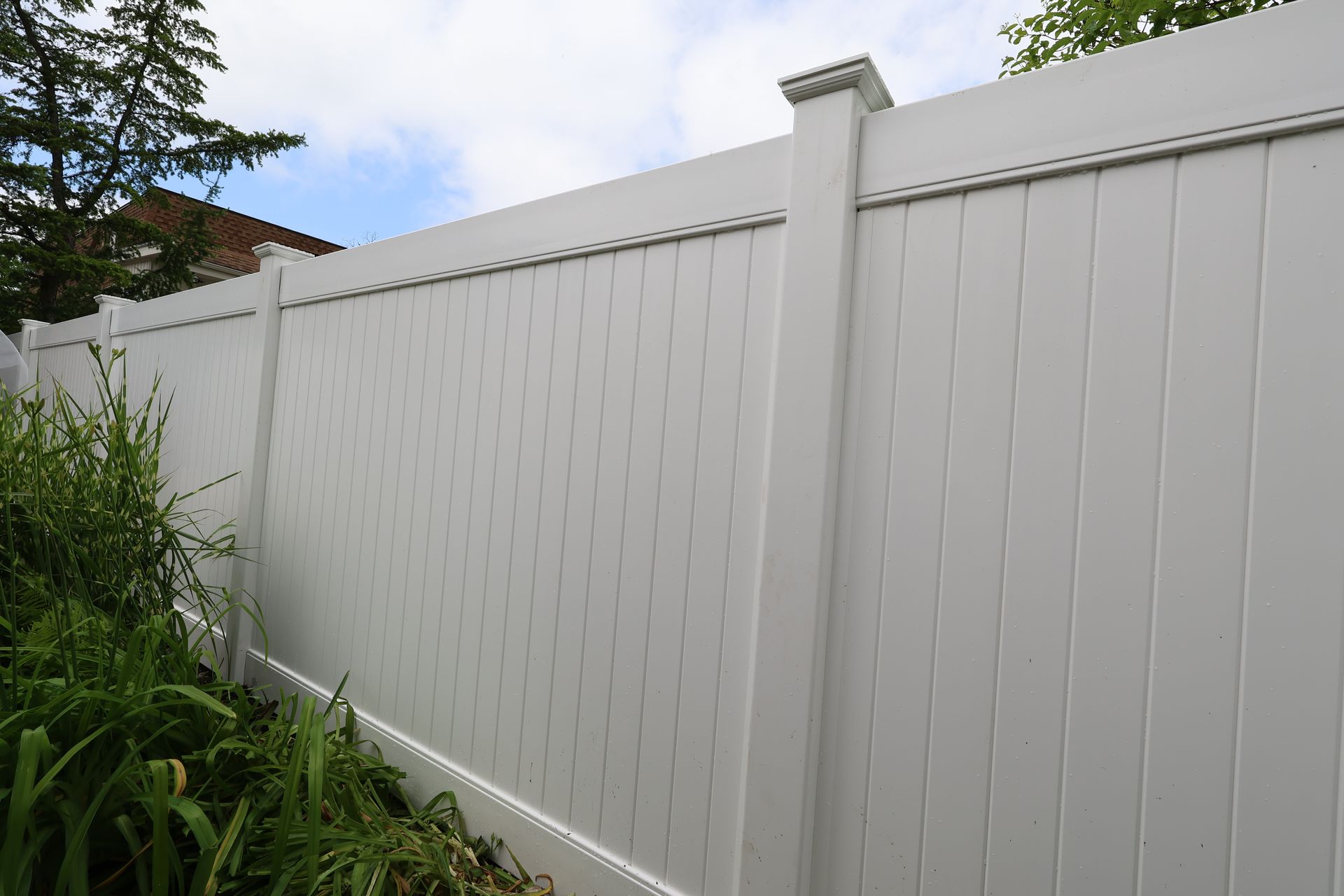
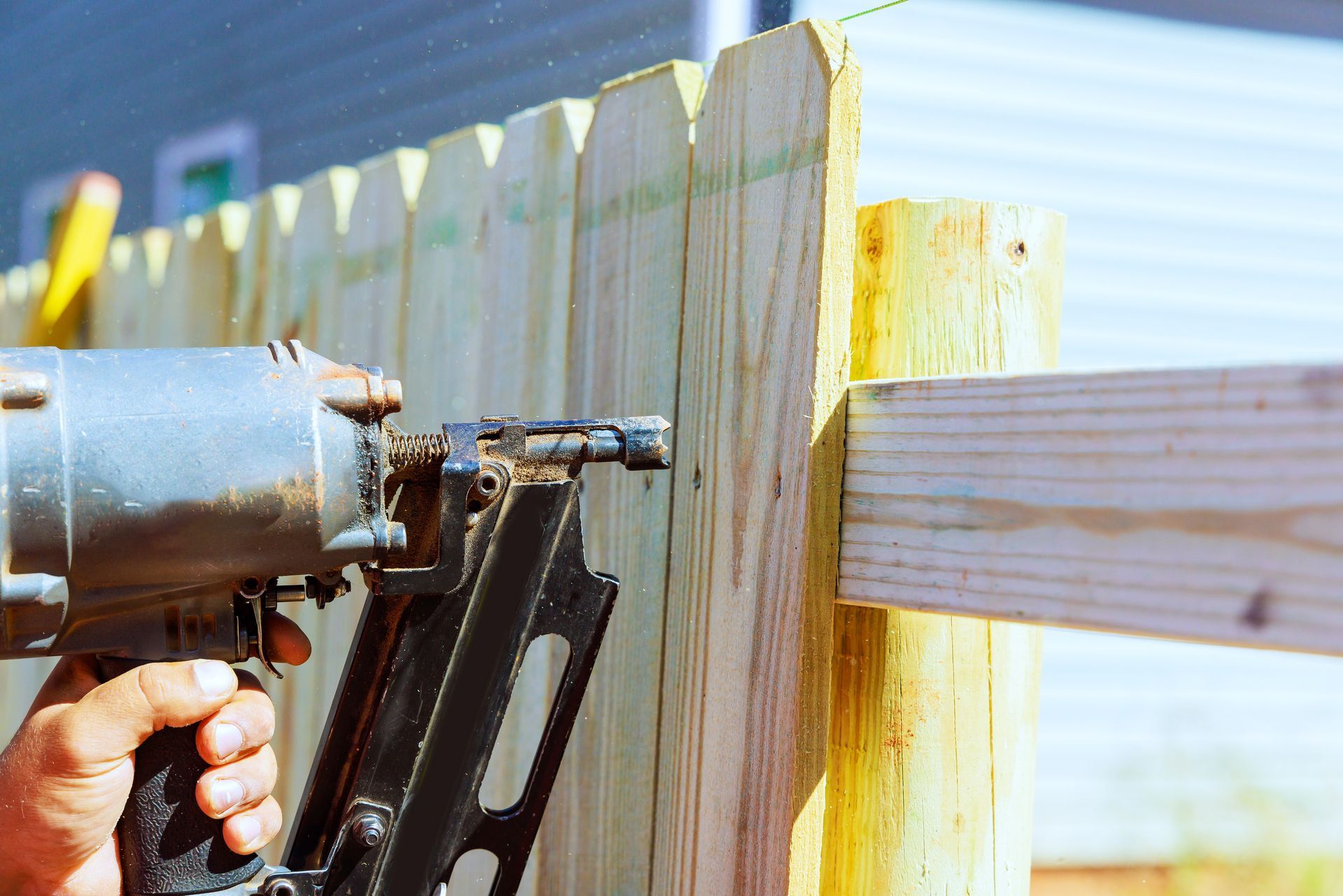
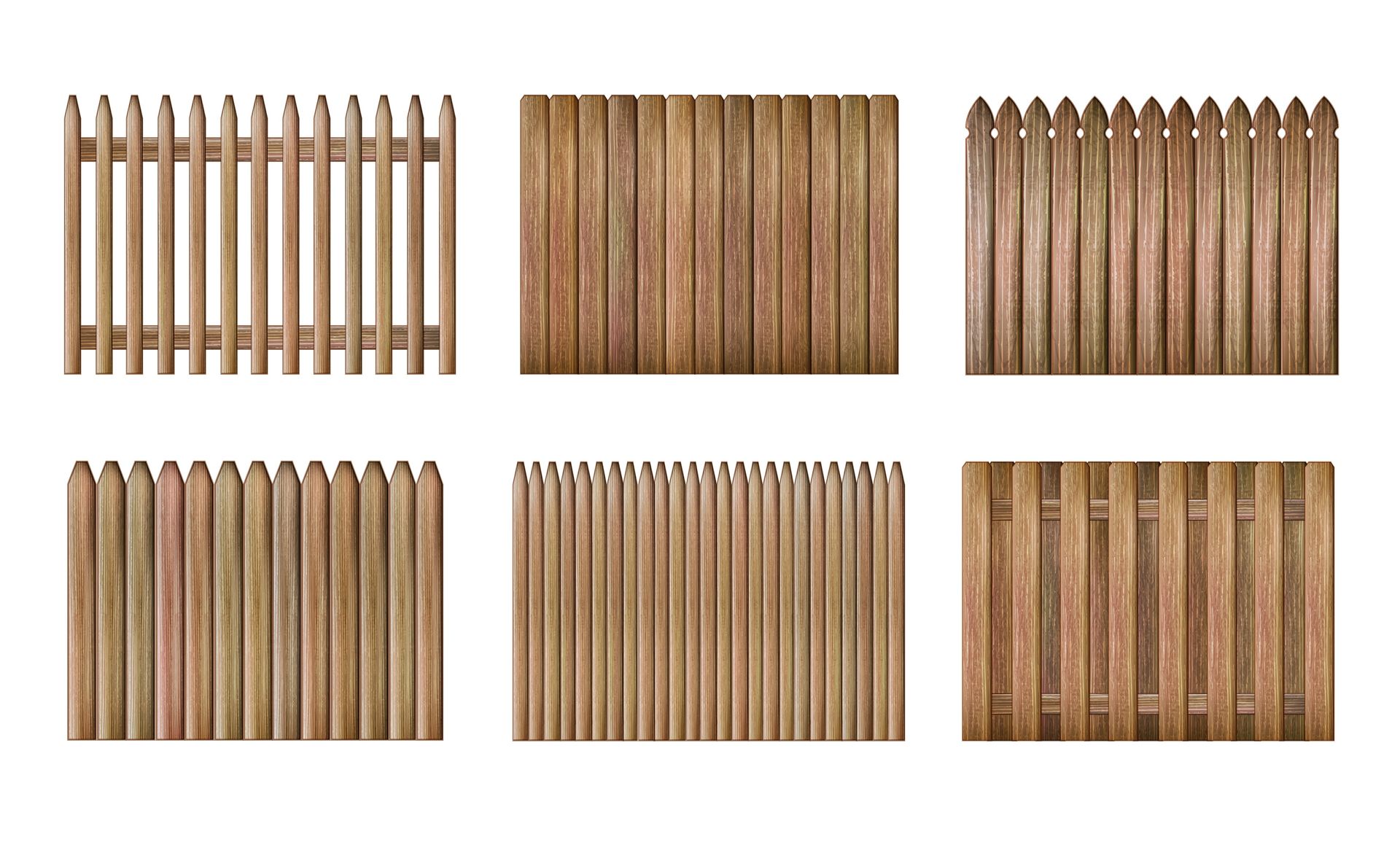
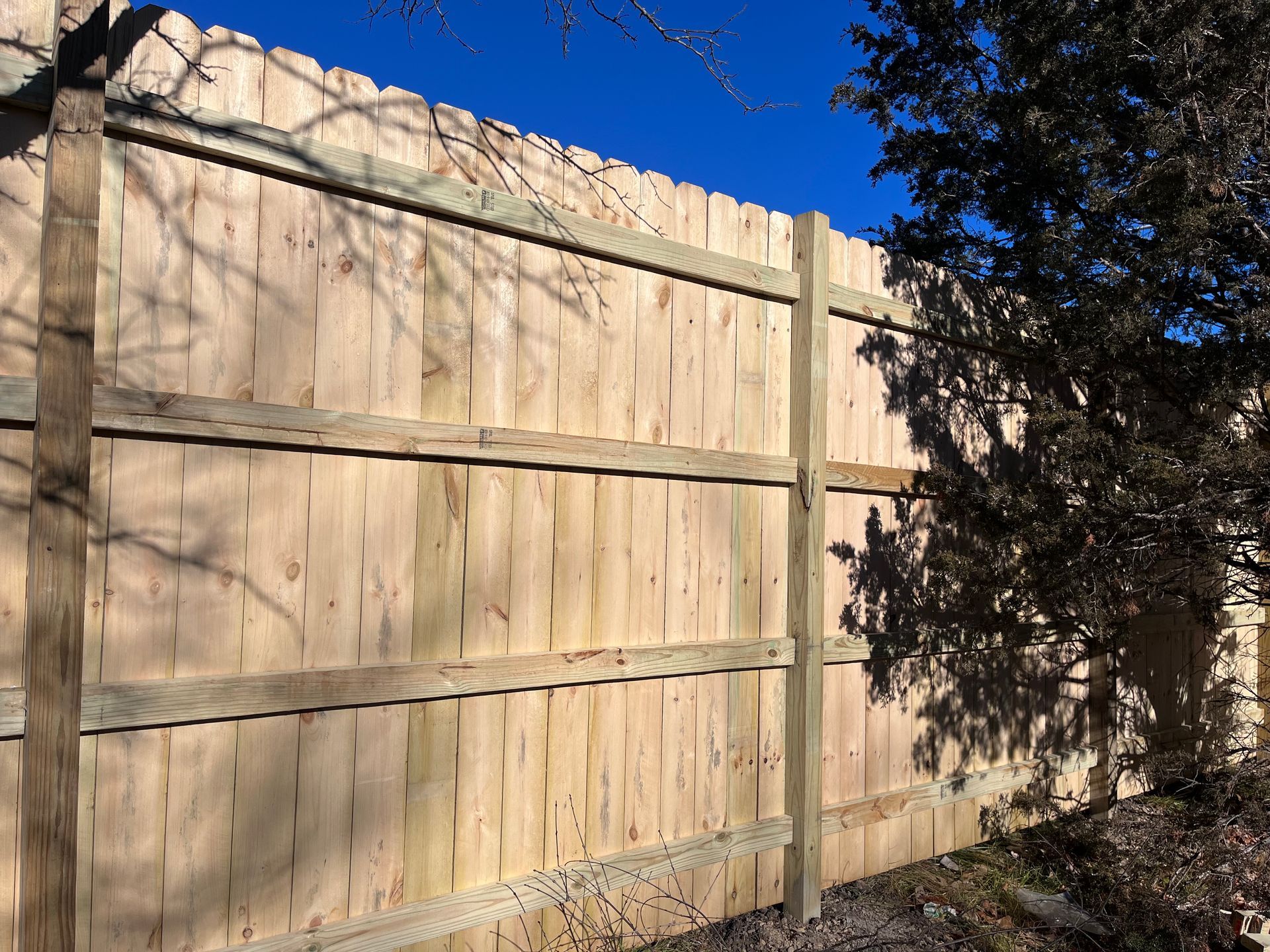
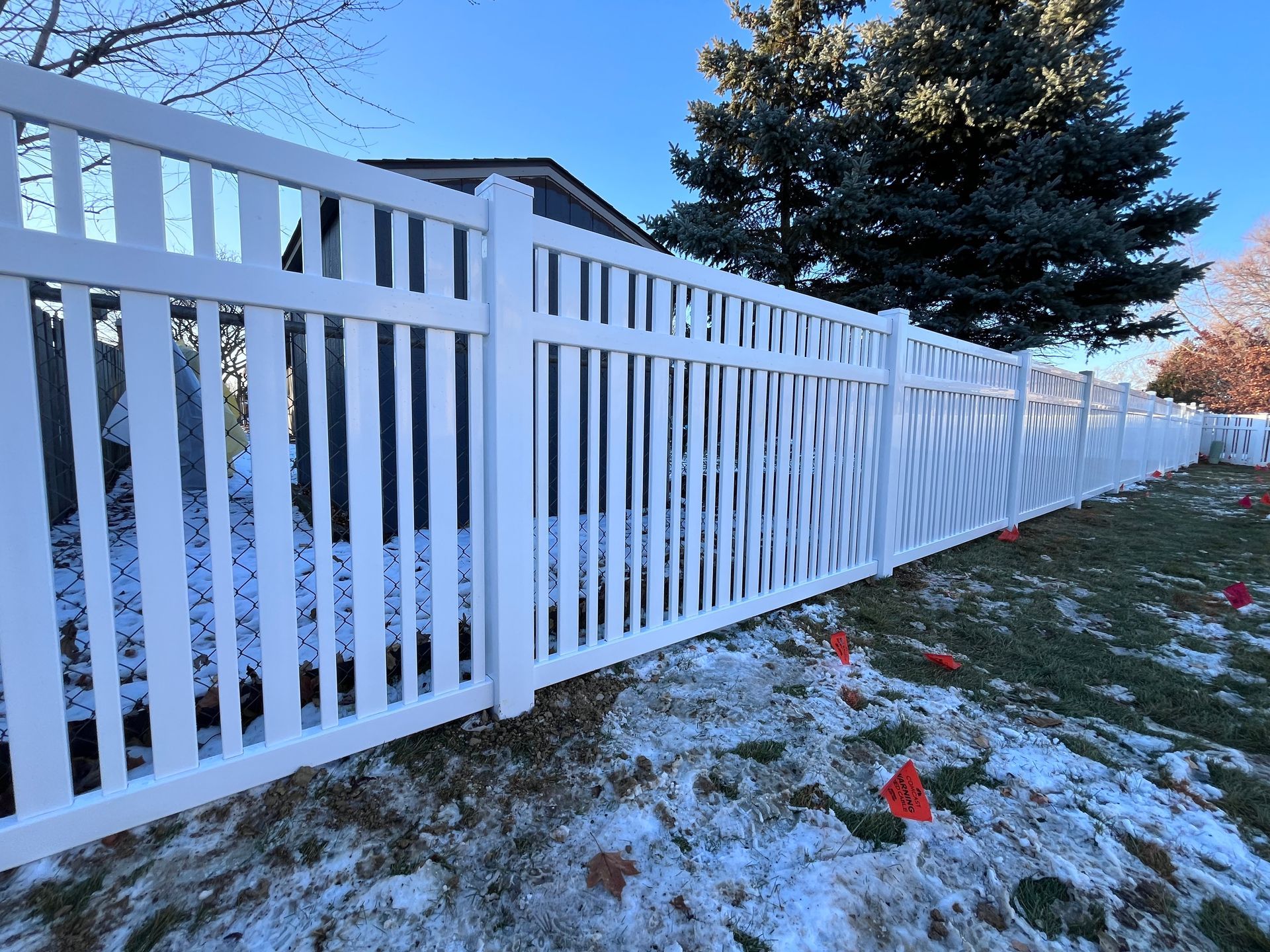
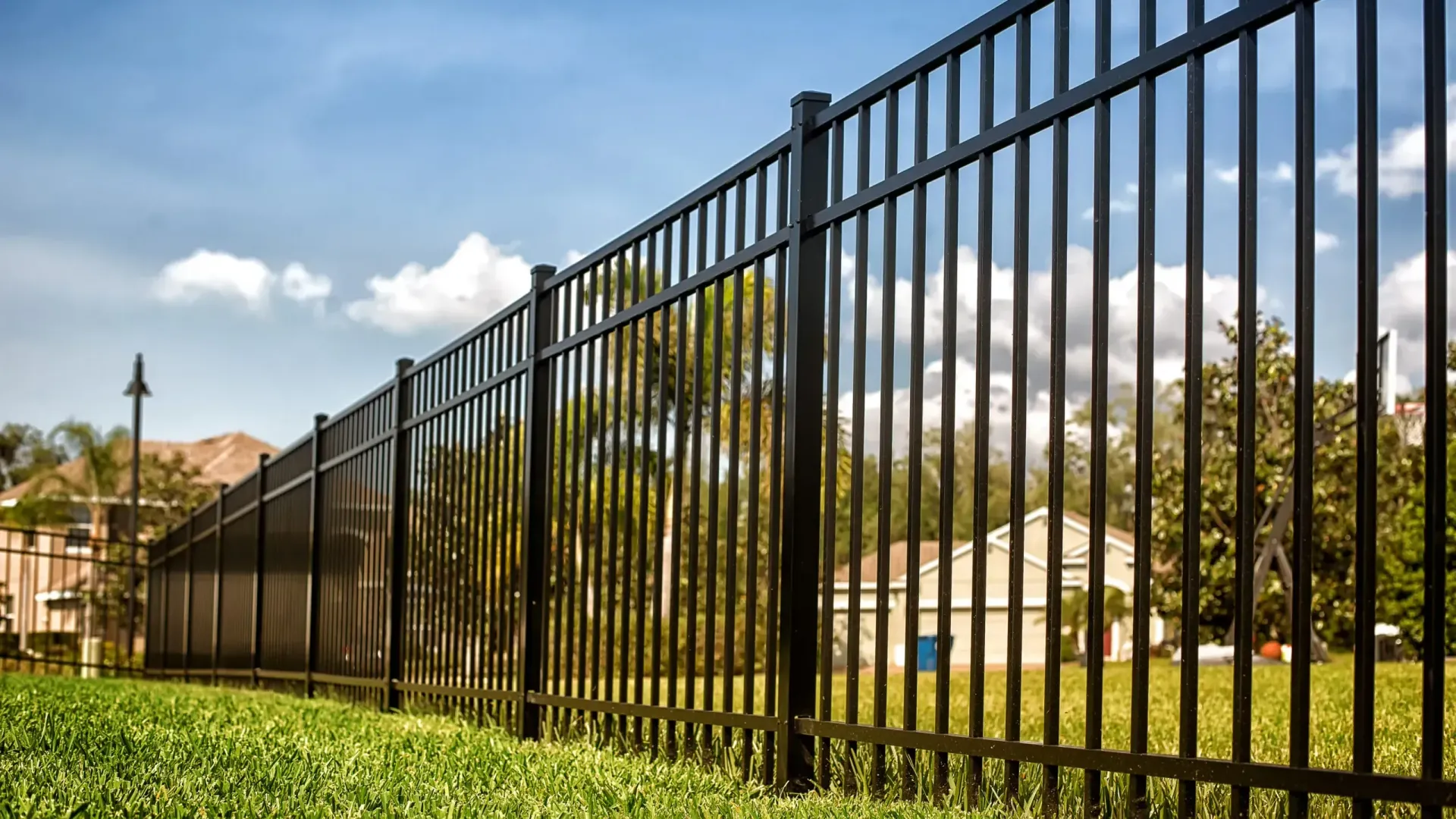
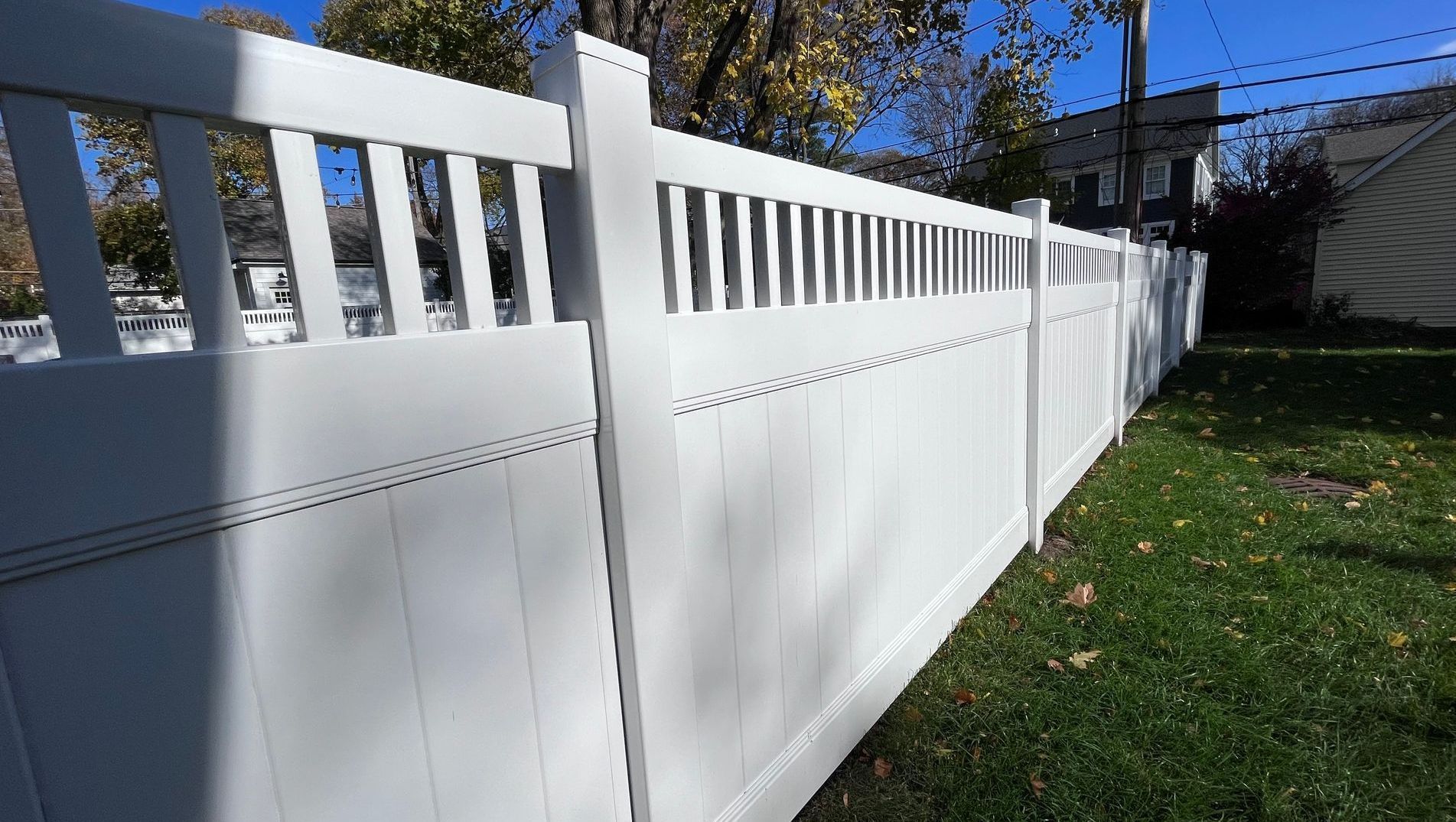
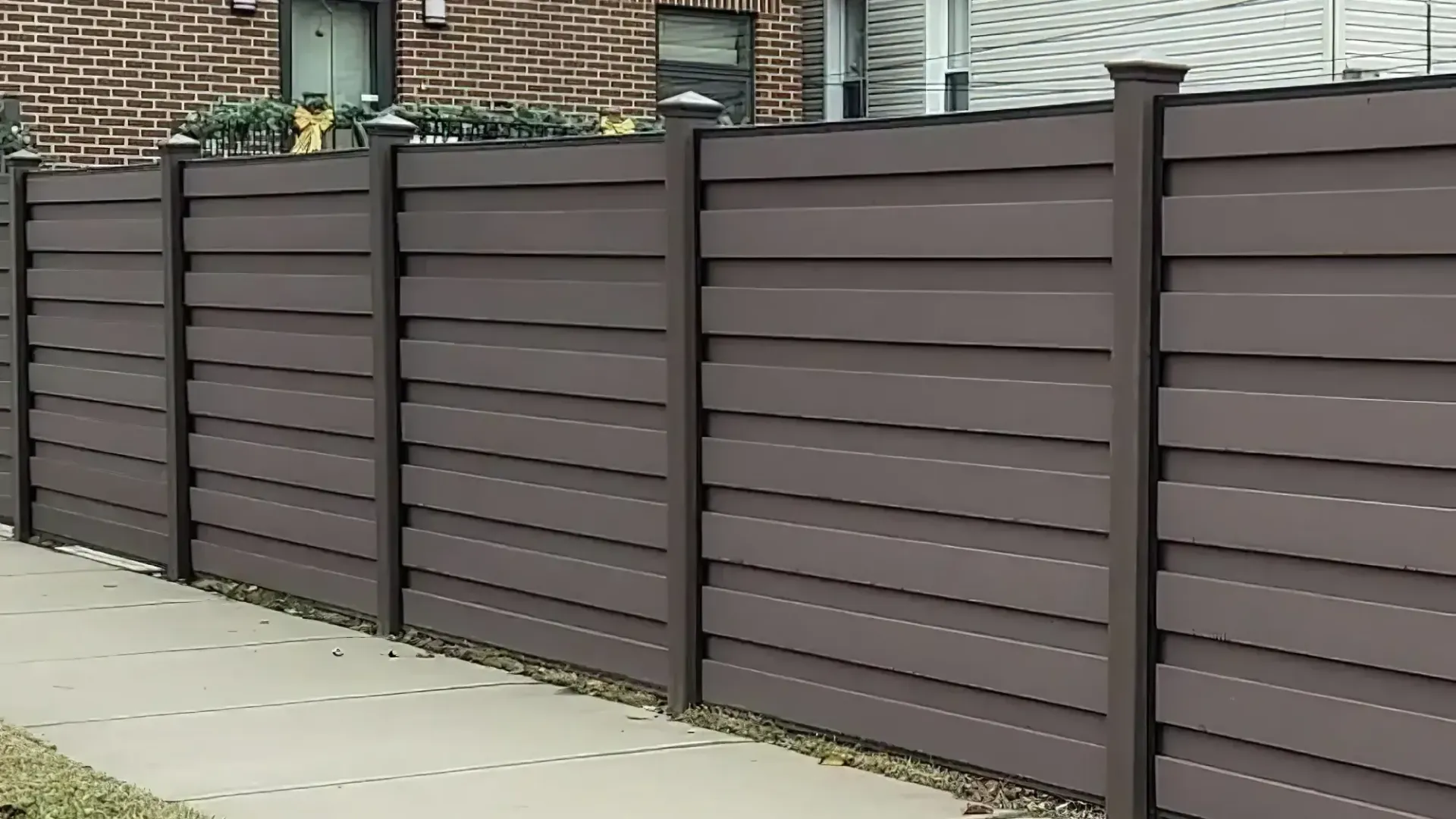
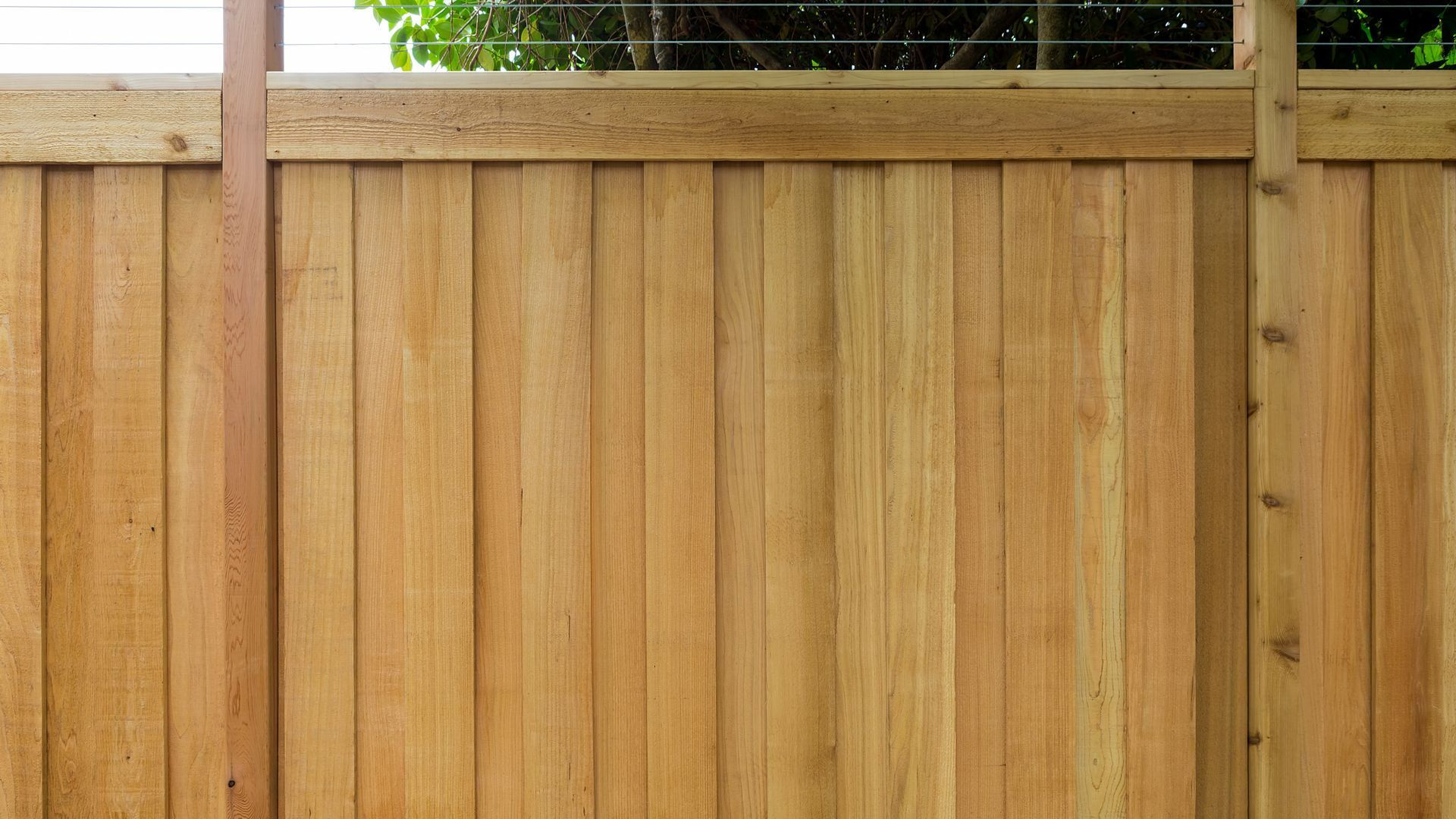
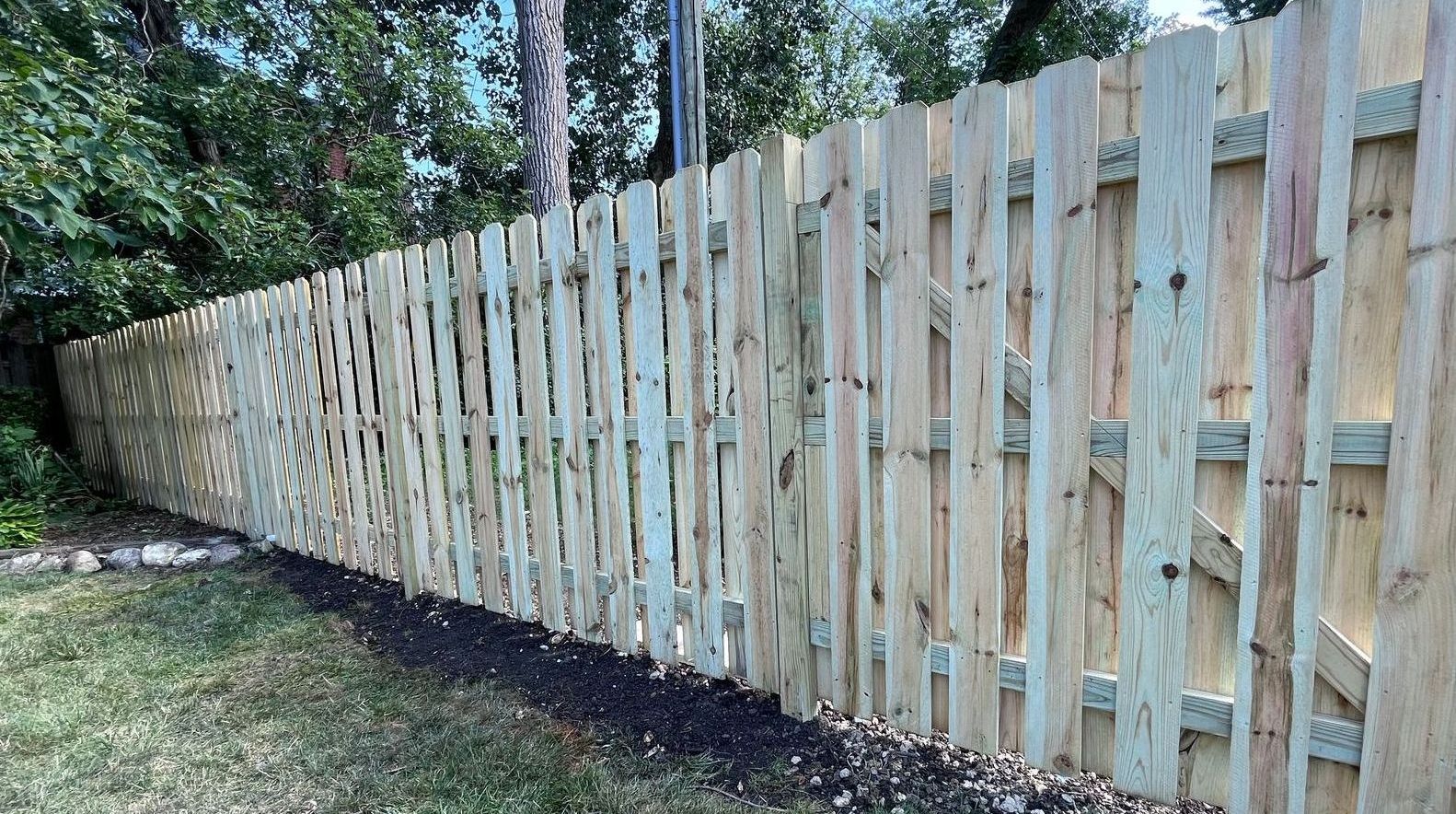
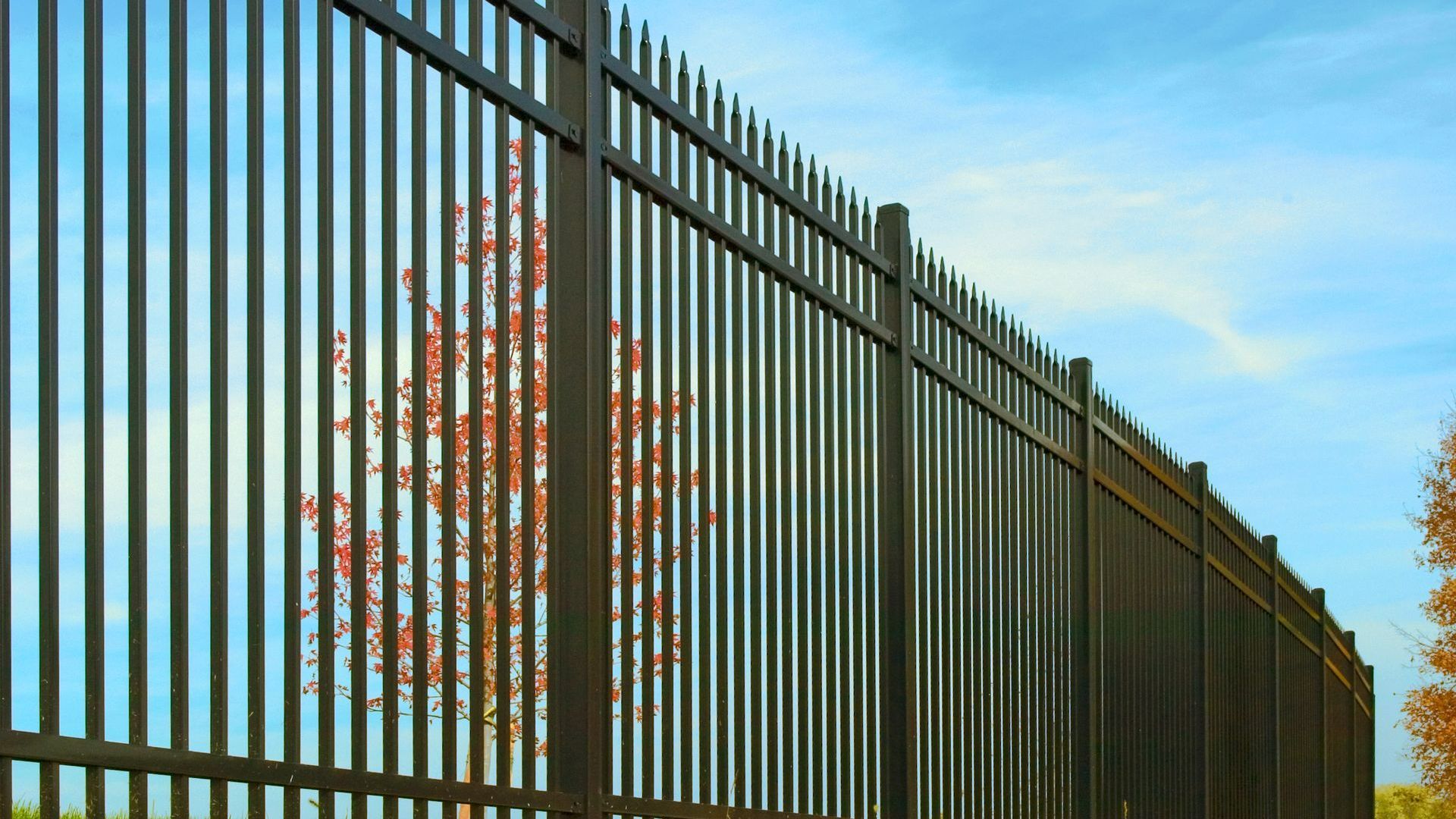
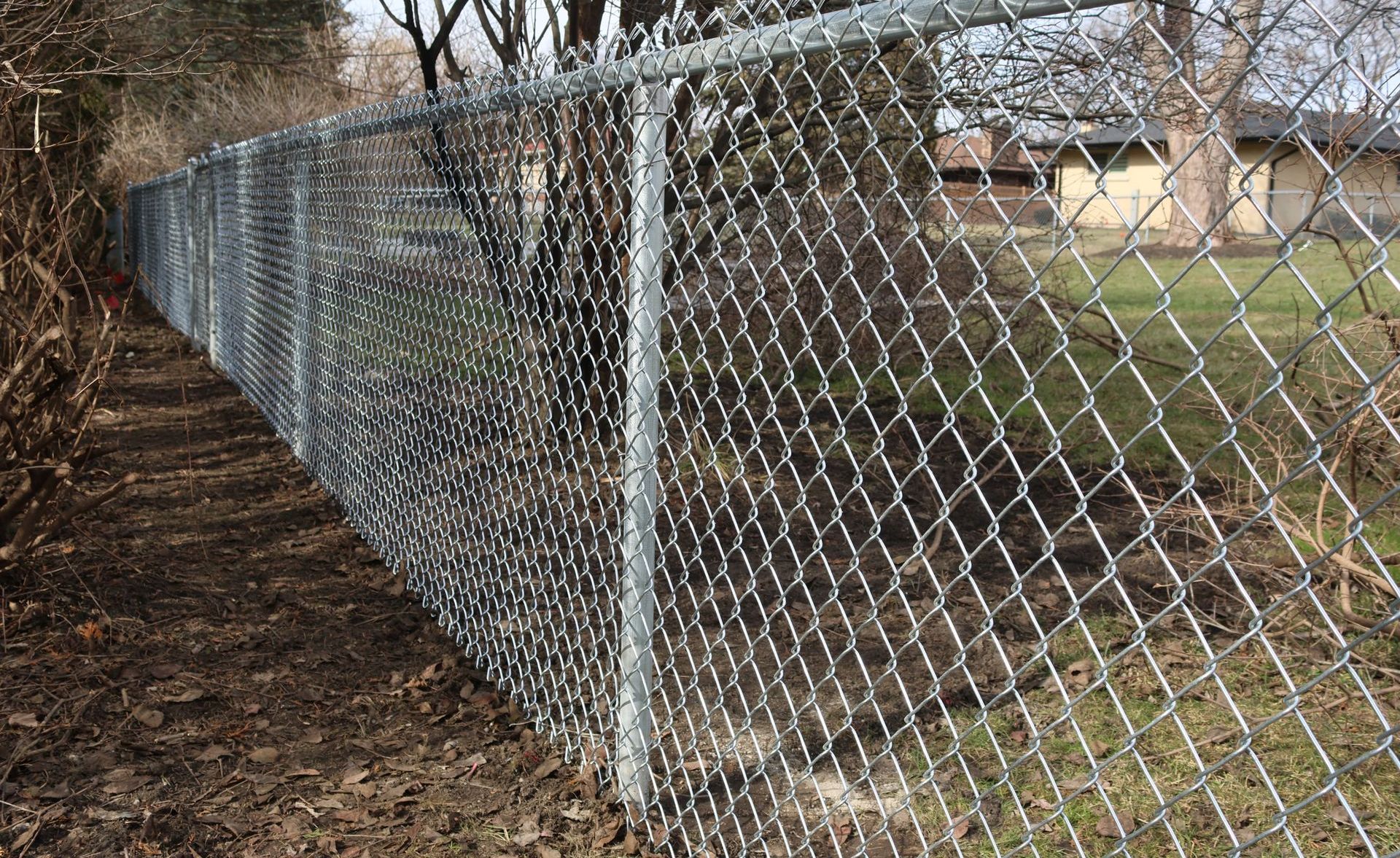
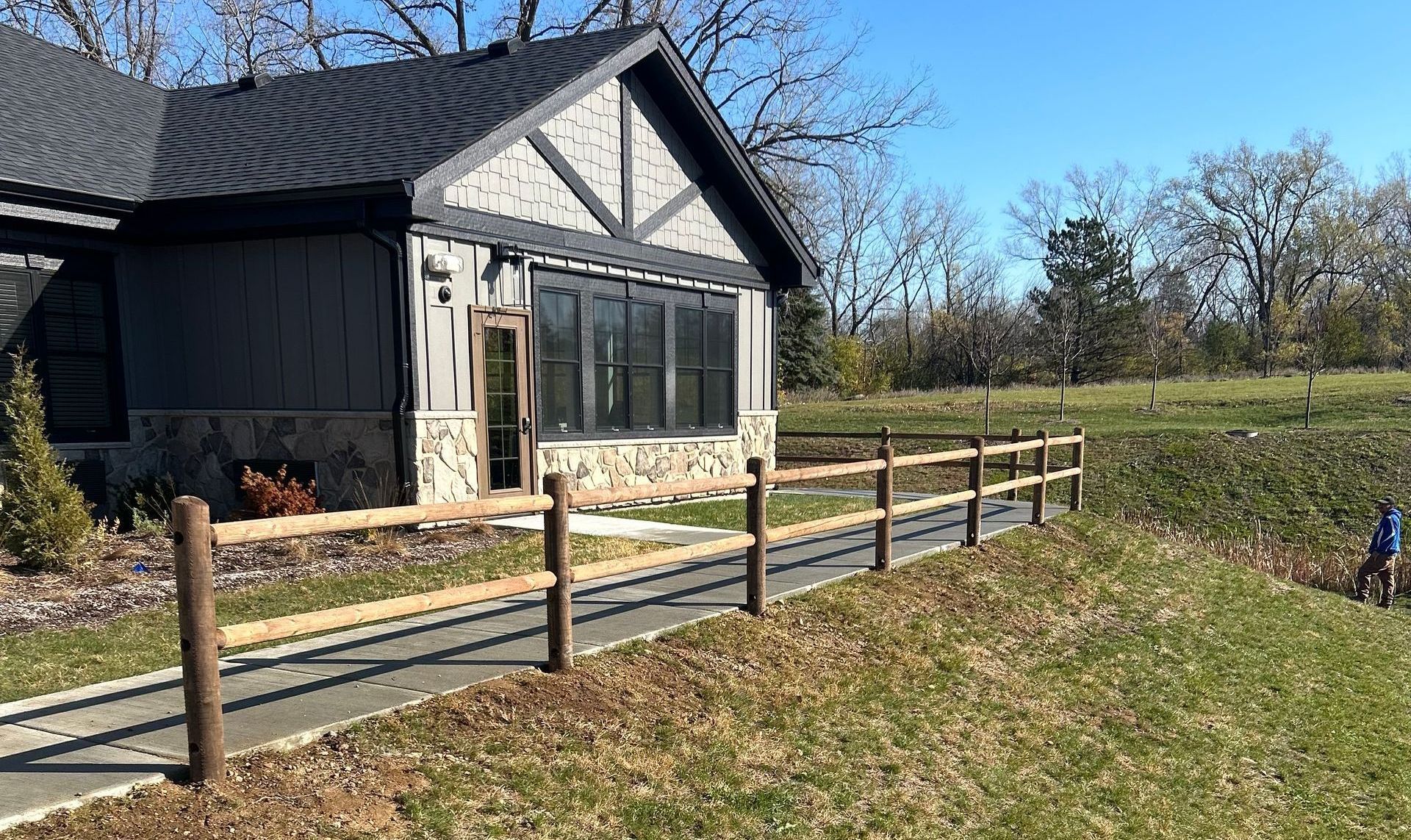
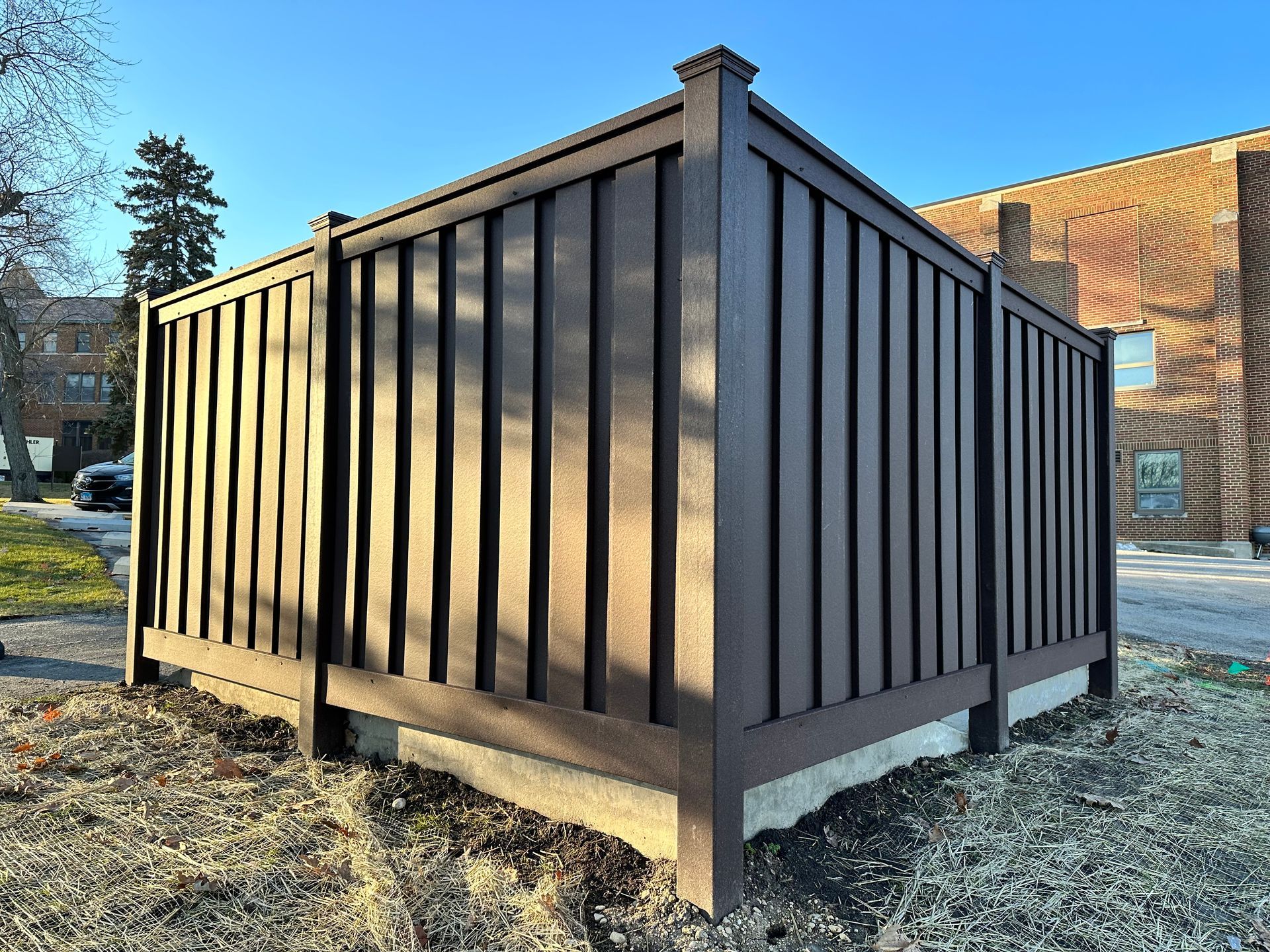
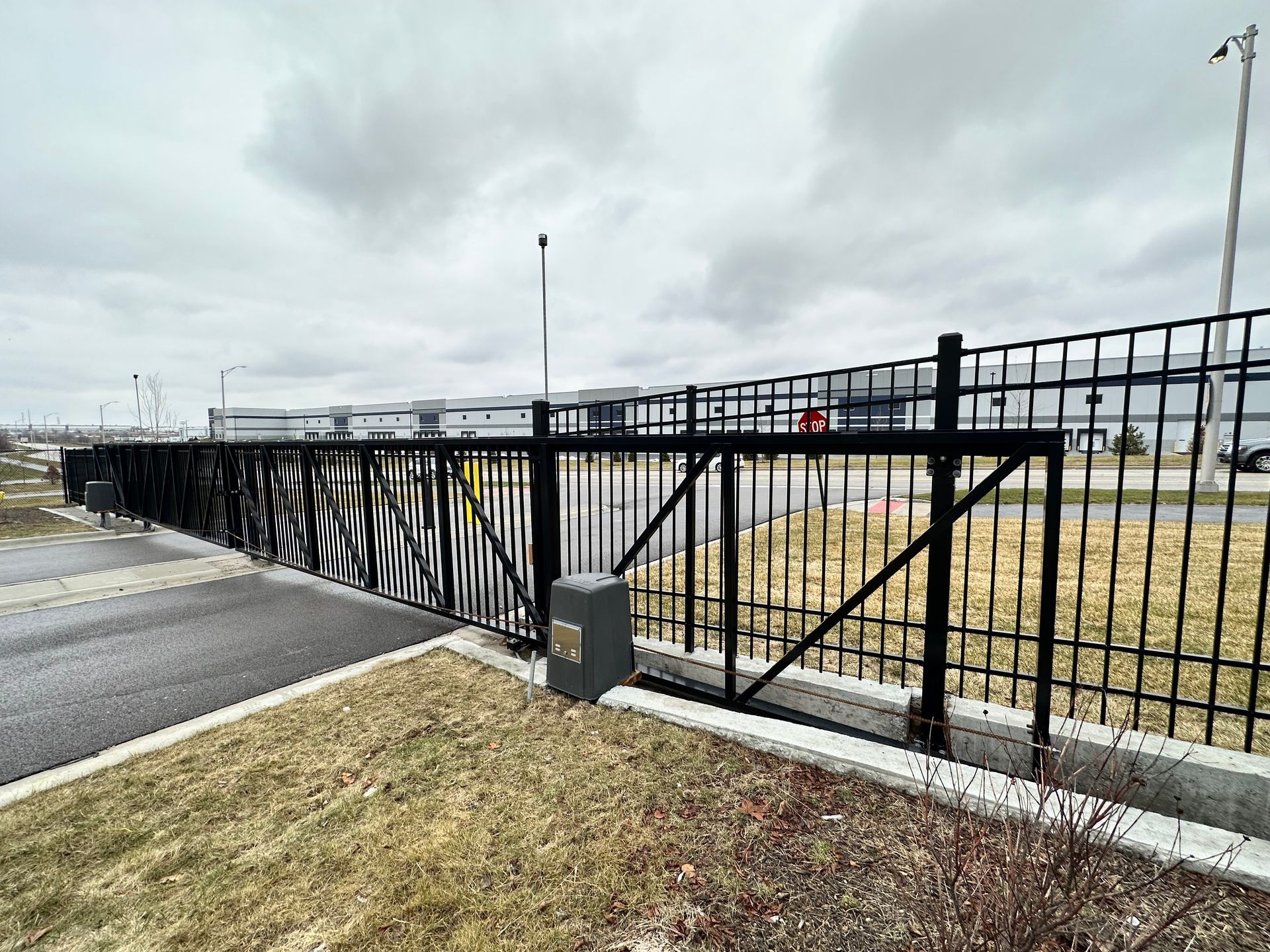
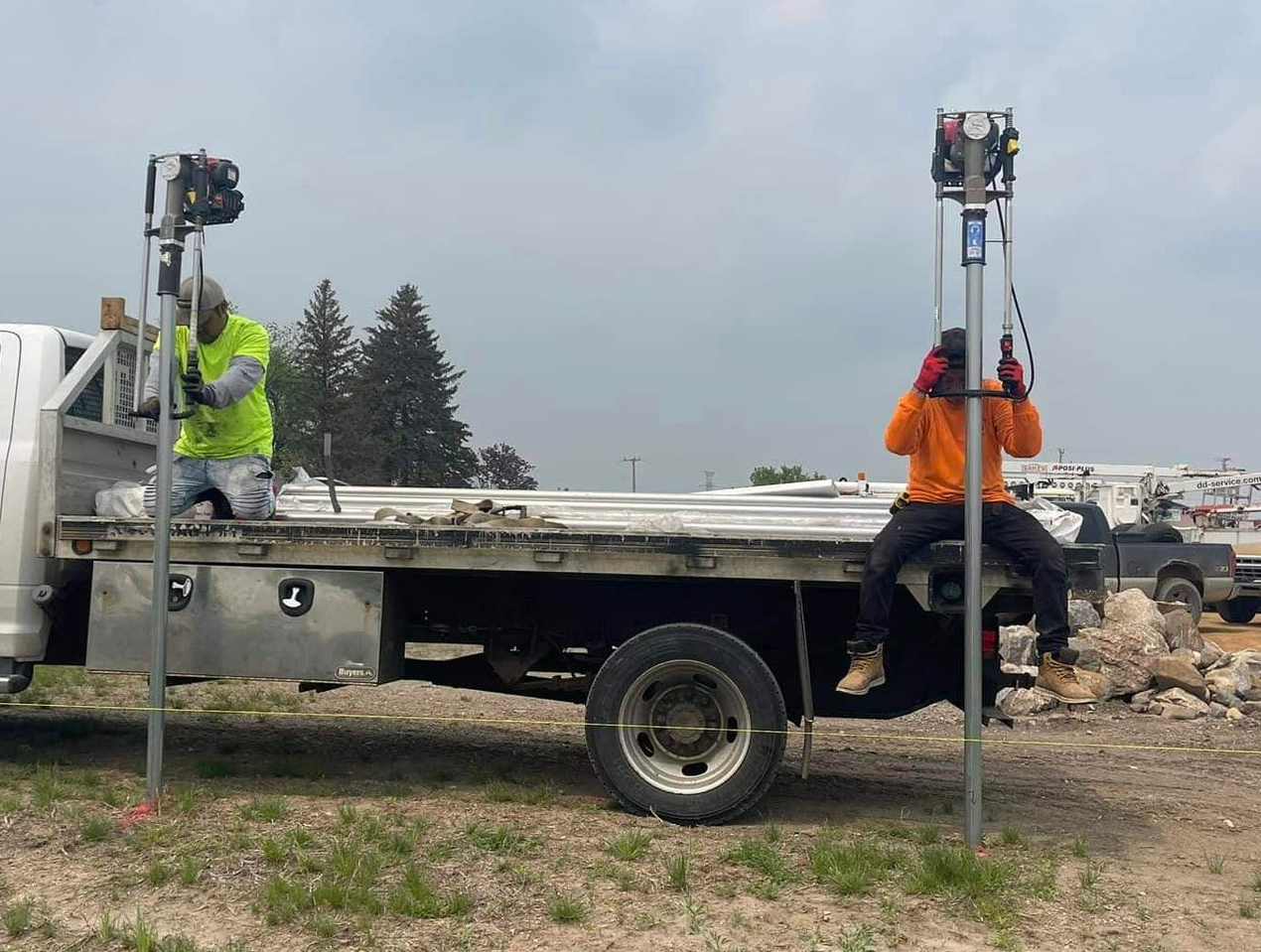
A no-dig fence is a newer method of fence installation. Traditional fence installation includes digging a hole for each fence post, putting the post in, and then filling each hole with concrete. The no-dig method is the lack of digging a hole. No-dig includes driving a post into the ground to a certain depth. This can be done for cedar fences, pine fences, chain link fences, or even vinyl fences. No-dig can also be for a variety of fence styles including split rail fencing, semi-privacy fencing, ornamental fencing, and privacy fencing (where the majority of potential problems arise). They drive the posts in the ground using a machine called a post driver (or also called post pounder, post rammer, post knocker, or fence driver). This method is often sold as "superior" but is actually inferior. In actuality it just saves the fence contractor time and money on the job site, costing you more money and putting you at risk. Read more to learn how.
How It "Works"
- Spikes/anchors: Metal stakes with fins or plates hammered or screwed 24-36 inches into soil. Post slips on top.
- Driven posts: Heavy steel pipes pounded deep with machinery, then vinyl/wood/aluminum sleeves over them.
- No excavation, no concrete curing time, minimal yard disruption.
The Physics No-Dig Salesmen Hope You Ignore
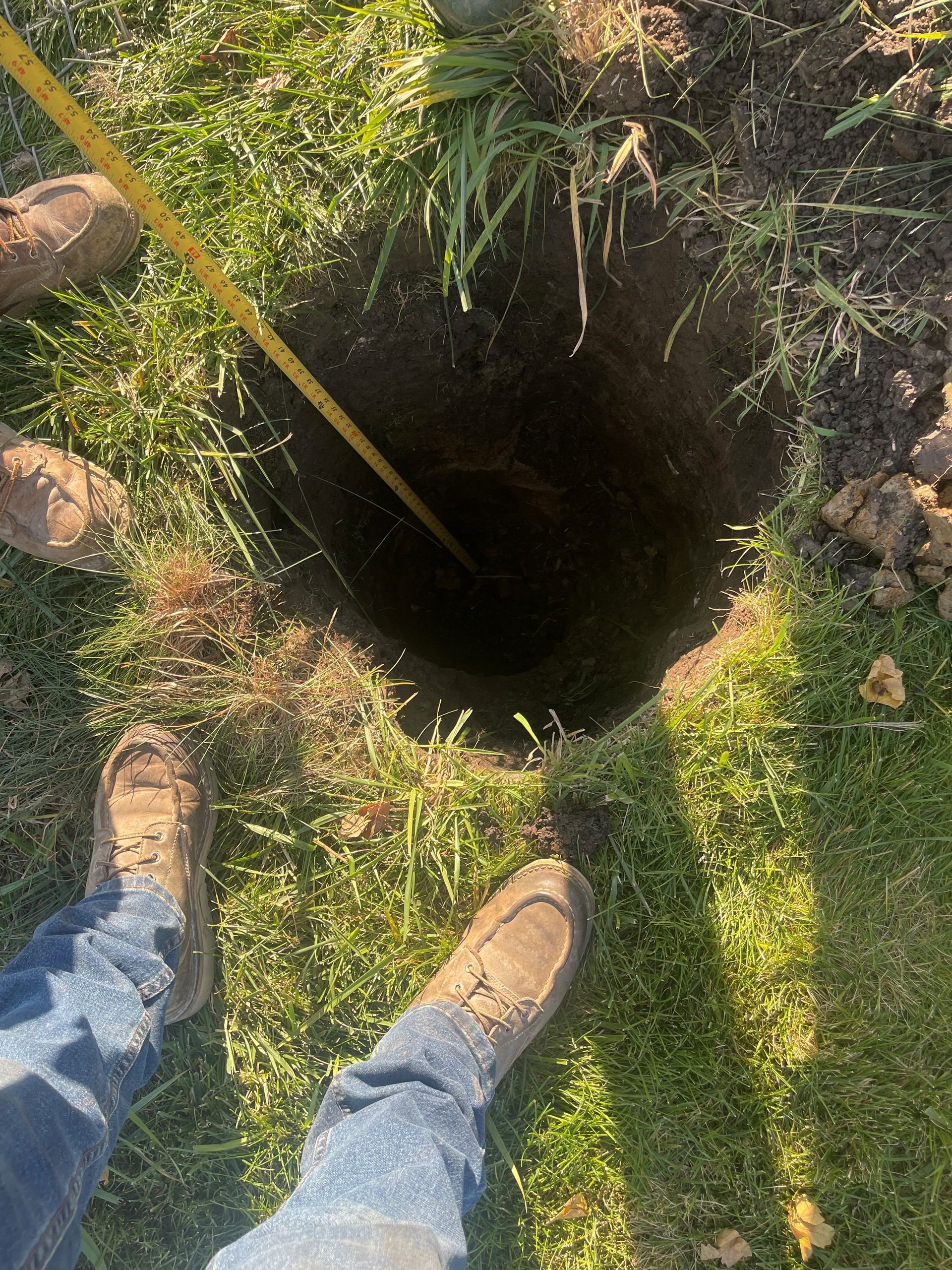
Concrete creates a massive, rigid anchor. You dig a proper hole (below frost line), add gravel for drainage, drop the post, and pour a solid footing—often bell-shaped at the base. This distributes lateral loads (wind pushing on 6-8ft privacy panels) across a huge surface area and mass. The surrounding soil works with that foundation.
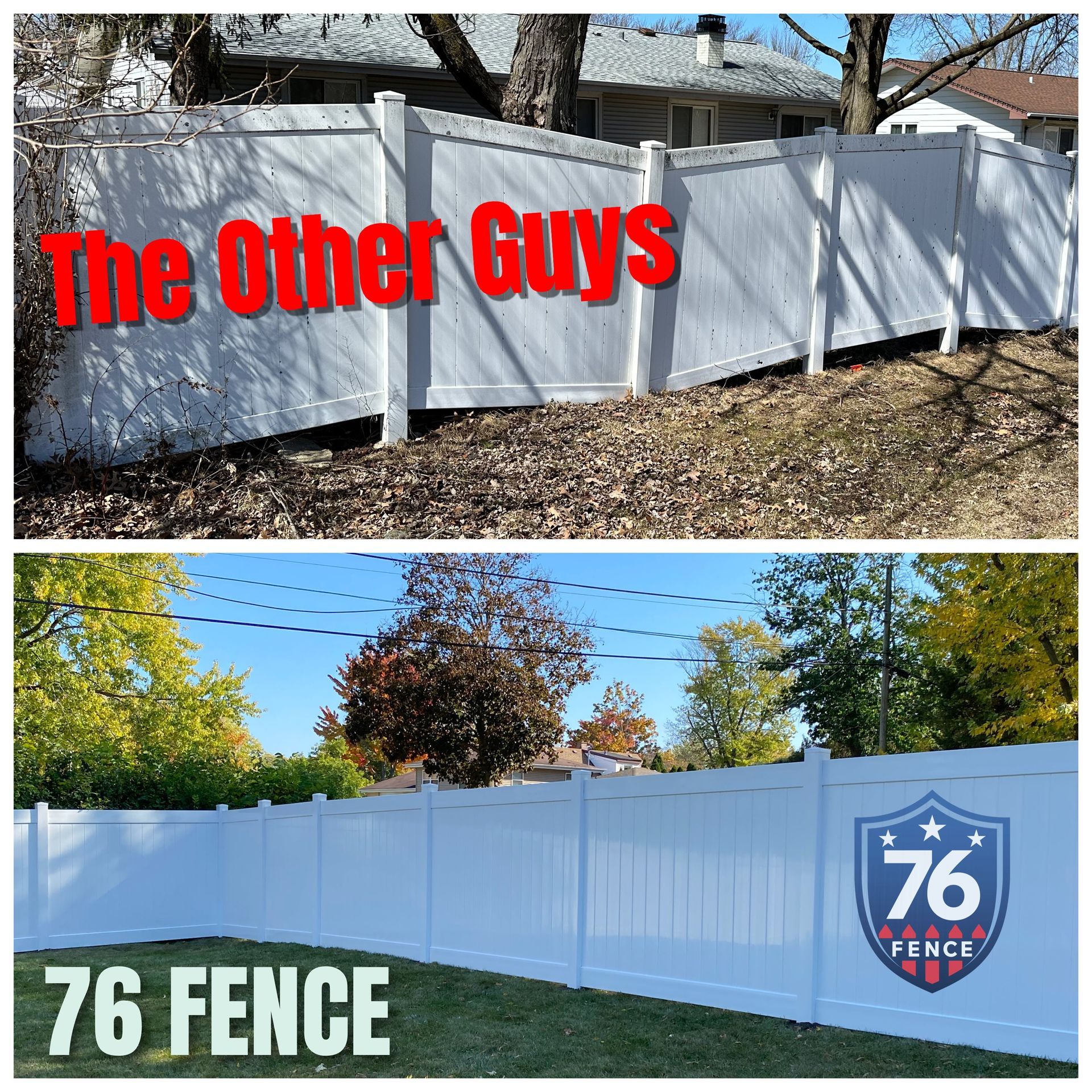
No-dig relies on narrow metal spikes or friction from driven posts. Soil compression sounds good on paper, but in clay, wet ground, rocky areas, or freeze-thaw cycles, that grip fails. Posts wobble, lean, or heave. One heavy storm or repeated seasonal movement and your "easy" fence turns into a crooked eyesore.
No-Dig is Inferior to Concrete Footings
Real data from fence contractors with decades of experience shows properly set concrete resists uplift and rotation far better. Driven posts flex "with the ground" until they don't—especially in unstable soils common across Chicagoland.
The "No-Dig" method is a recent install fad, and has not stood the test of time (or Chicagoland weather). Don't put yourself at risk. The no-dig method is a liability that is not worth taking.
Frost Heave, Wind, and the Long Game
In regions with winter freezes (most of the US, Canada, etc.), frost heave is the silent killer. Soil expands when it freezes and shoves posts upward. Concrete footings, dug deep with drainage, counter this. No-dig spikes often ride the movement and lose plumb fast.
High winds expose the weakness even faster. No-dig systems frequently lack the holding power for tall privacy fences or gates. They shake, panels rack, and the whole run degrades. Concrete handles heavy loads and impact without compromise.
Historical precedent backs this: Solid post setting in concrete (or equivalent) has been the standard for serious construction for over 100 years because it works. No-dig is a modern convenience play by companies chasing volume installs and low labor costs—not superior durability.
Hidden Costs of No-Dig "Savings"
- Upfront cheap, long-term expensive: Quick install sounds great until you replace leaning sections every few years. Concrete done right is "set it and forget it."
- Material compromises: No-dig often forces heavy steel inserts, ugly brackets, or limited fence types (good luck driving real cedar without splitting it). Aesthetics suffer.
- Code and inspection headaches: Many municipalities expect dug, verifiable post holes to fill with concrete. Driven posts complicate utilities, inspections, and resale proof.
- Soil reality: Spikes fail in clay or rocky ground. Digging lets you remove debris and hit solid depth every time.
Repairing no-dig is easier short-term, but that's because it fails more often. Breaking out old concrete is a pain—yet that's proof it lasted.
No-Dig Fence Installation Puts You at Risk
No-Dig Fences are a Liability
Fences aren't cheap. The goal of every fence contractor should be to install the fence once and not come back for at least 2 decades. No-dig fences will come loose, fall over, or come out of the ground from weather conditions. This could result in the fence falling into a neighbor's yard, injuring someone, and/or costing you a replacement fence.
No-dig fence installation is a major liability. Utility marking organizations such as JULIE, aren't always accurate. Incorrect markings, or utility markings in the wrong areas could cause major issues for no-dig fence installs. Driving a post into a gas line or a high-voltage electrical line could be devastating. Your simple fence install could be a complete disaster for not only you, but your entire neighborhood.
The fact remains is that the no-dig method isn't proven to work long-term in Chicagoland (especially for fences that take wind like privacy fences). When the initial fence install already costs you thousands of dollars, why take the risk of paying that again for a replacement in a just a few years? Added to the fact that the install itself is a liability and could be a major disaster.
When No-Dig Might Not Screw You (Rare Cases)
Temporary runs, very short decorative sections, perfect sandy soil with zero wind load, or lightweight aluminum kits. Even then, it's a gamble. For boundary lines, privacy, security, or anything over 4-6ft tall in real conditions: concrete.
What the "No-Dig" Fence Contractors Won't Tell You
No-Dig fence contractors won't tell you that it costs them less money (less labor costs & material costs), but will charge you more. Lower labor costs, smaller crews, and the lack of concrete equates to lower costs to the fence contractor. But they don't pass the savings on to you; the customer.
Bottom Line: Build It Once or Fix It Forever
The absolute truth is simple—physics and history favor traditional concrete footings. No-dig is a marketing triumph for lazy execution, not better engineering. It lets crews slap up fences fast and move on while homeowners deal with the consequences years later.
Dig the holes. Use proper depth, gravel, and quality concrete. Your fence will stay straight, strong, and valuable long after the no-dig neighbor's is sagging into the dirt.
For homeowners in Chicagoland, you know that our weather is often unpredictable. We get torrential rains, tornadoes, high winds, and snow. These constant weather conditions are very degrading to fences. Fences get hammered constantly by these conditions, so the fence posts need to be securely in the ground with concrete.
Stop falling for convenience hype. Invest in the foundation that actually holds. Buy your fence once, with no risk. Your property, wallet, and sanity will thank you.
Want to Learn More?
For a professional fence consultation from one of our fence experts, contact us today at 630-349-4420 or schaumburg@76fence.com
Fence Installation Blog


How to Upgrade Your Chain Link Fence with Privacy Slats: Benefits, Styles & Installation in Illinois