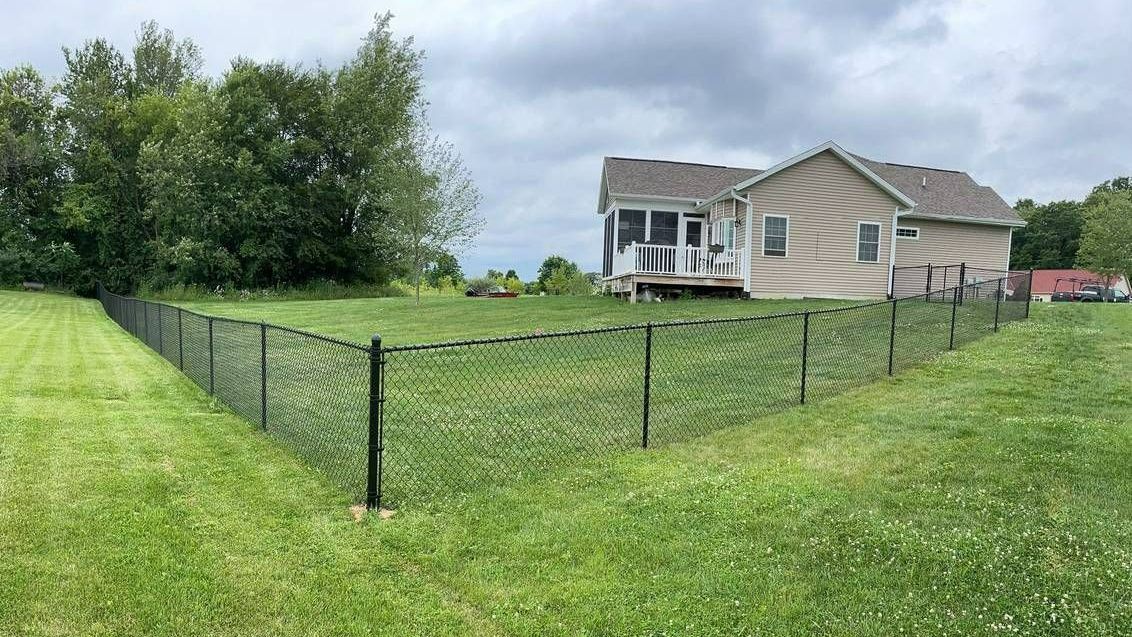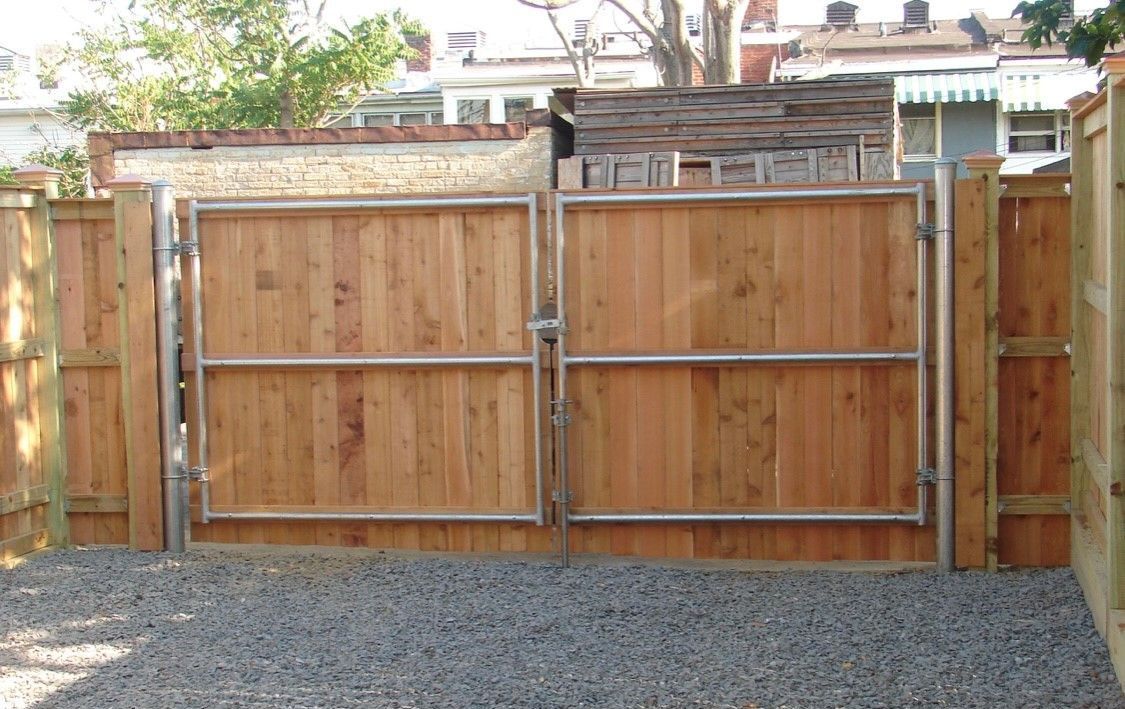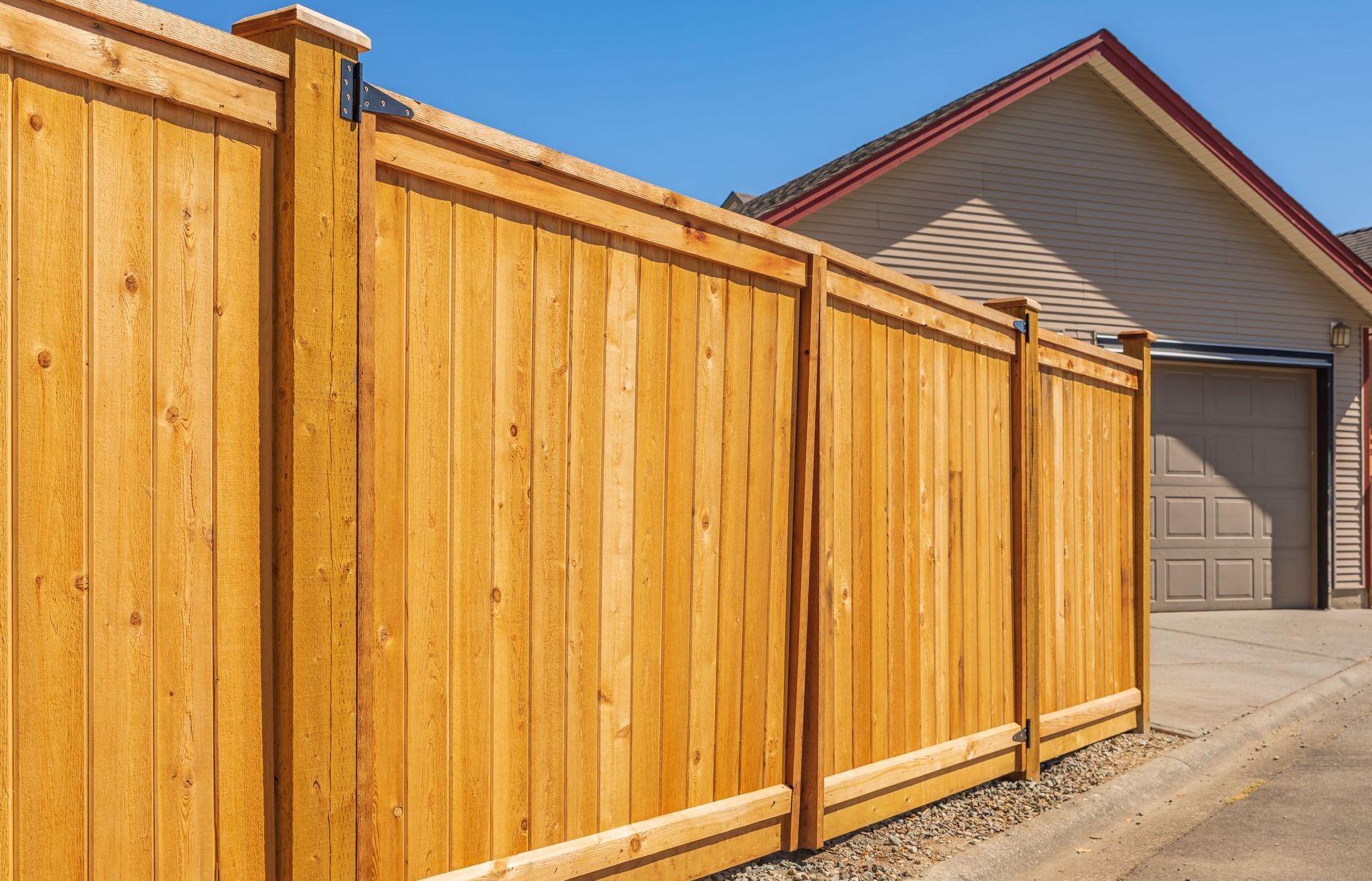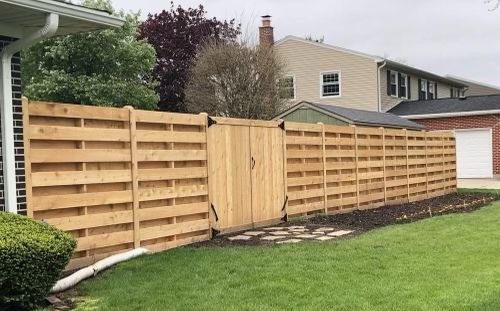
Who Owns the Fence Between Neighbors in Illinois?
A Practical Guide for Homeowners & Business Owners

Short answer (before we get into the weeds)
In Illinois, fence ownership depends on three things:
- Where the fence is located (relative to the property line)
- Local ordinances and HOA rules
- Illinois state law, including long-standing principles under the Illinois Fence Act and property law
If you guess wrong, you can be forced to remove a brand-new fence, pay legal fees, or lose land over time. This guide explains how ownership really works in Illinois—without legal fluff or contractor myths.
-- This article is informational only and not legal advice. Always confirm with a licensed surveyor, your municipality, HOA, or an Illinois attorney.
Fence ownership in Illinois starts with the property line
The single most important fact:
A fence does not define the property line. The survey does.
In Illinois, ownership is determined by recorded plats and surveys, not where an old fence “has always been.”
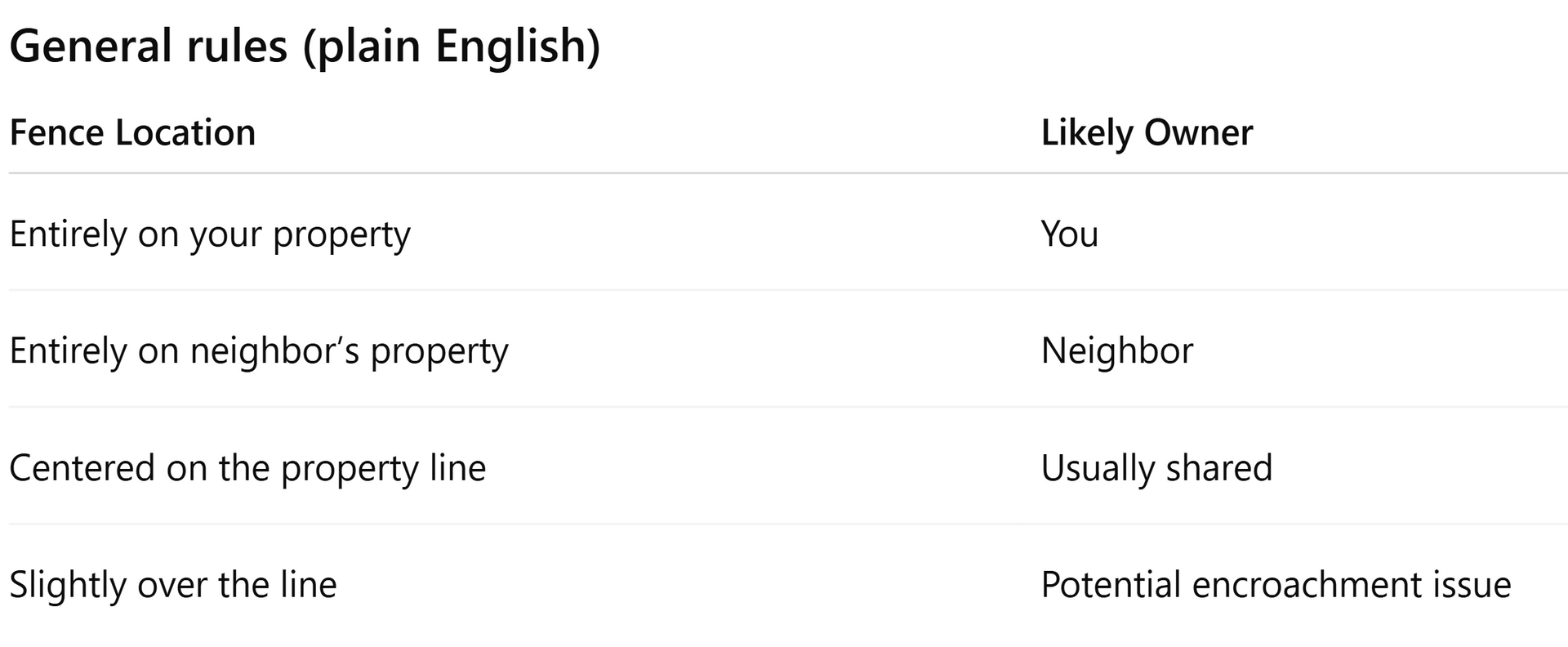
This applies to homes, multi-family buildings, warehouses, and commercial lots.
If you don’t know exactly where the line is, you do not know who owns the fence—period.
Shared fences (“on the line”) in Illinois
When a fence sits on or directly straddling the boundary, it is commonly treated as a shared fence.
What “shared” usually means in practice
- Both parties must agree before:
- Removing the fence
- Replacing it
- Making major changes
- Cost sharing may apply in some Illinois counties
- Neither side can unilaterally tear it down if it protects the other property
This is where most neighbor disputes begin.
The Illinois Fence Act (what it really affects)
Illinois still has an active Fence Act, originally written for agricultural land. While it’s less commonly enforced in dense suburbs, it still matters—especially in non-Cook counties, rural areas, and edge-suburban developments.
Key takeaway:
If a fence benefits both properties, Illinois law has historically allowed shared responsibility for building and maintaining it.
In modern residential and commercial settings:
- Courts rely more heavily on surveys, written agreements, and conduct
- But the Fence Act still supports the idea that boundary fences aren’t automatically “free” for one side
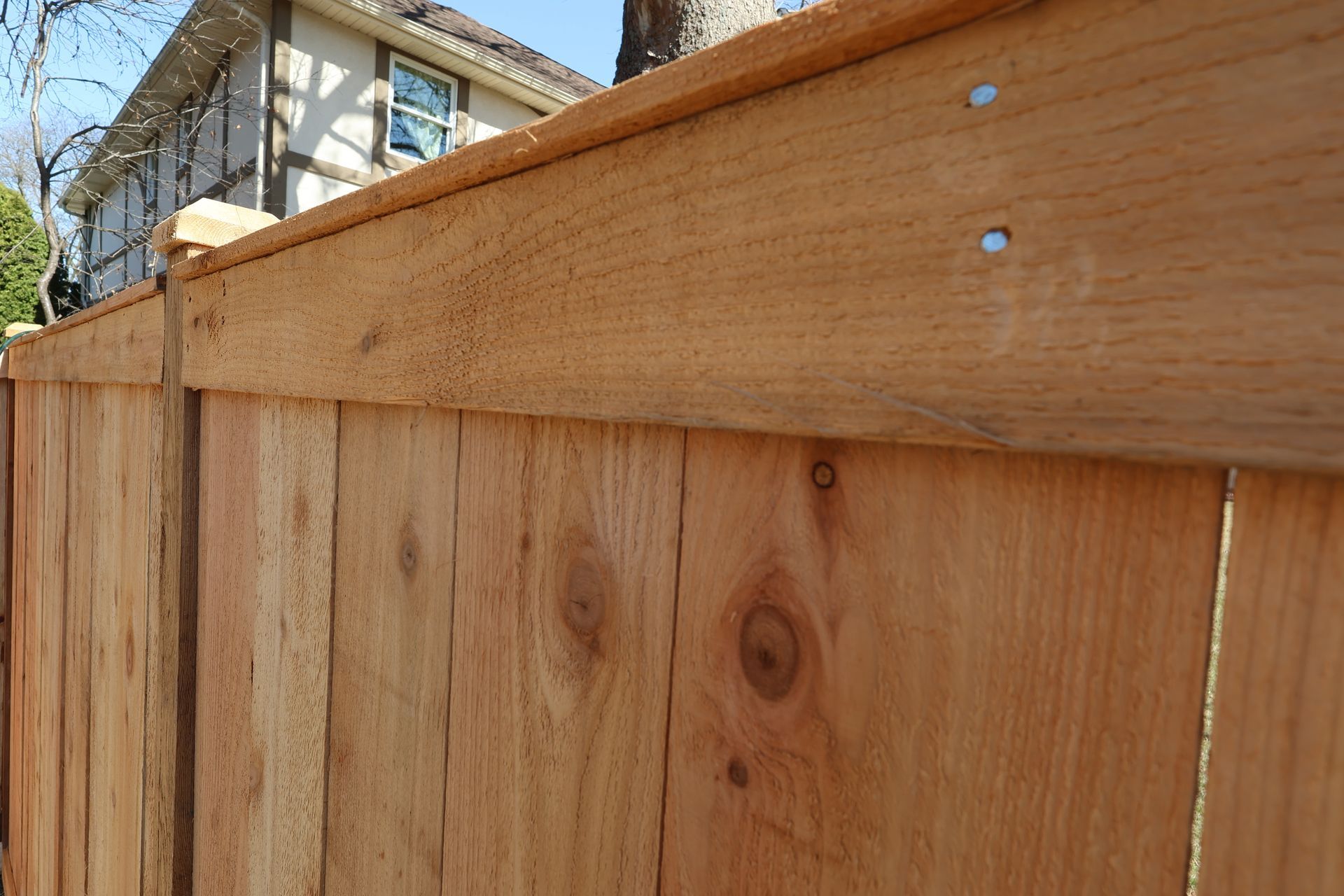
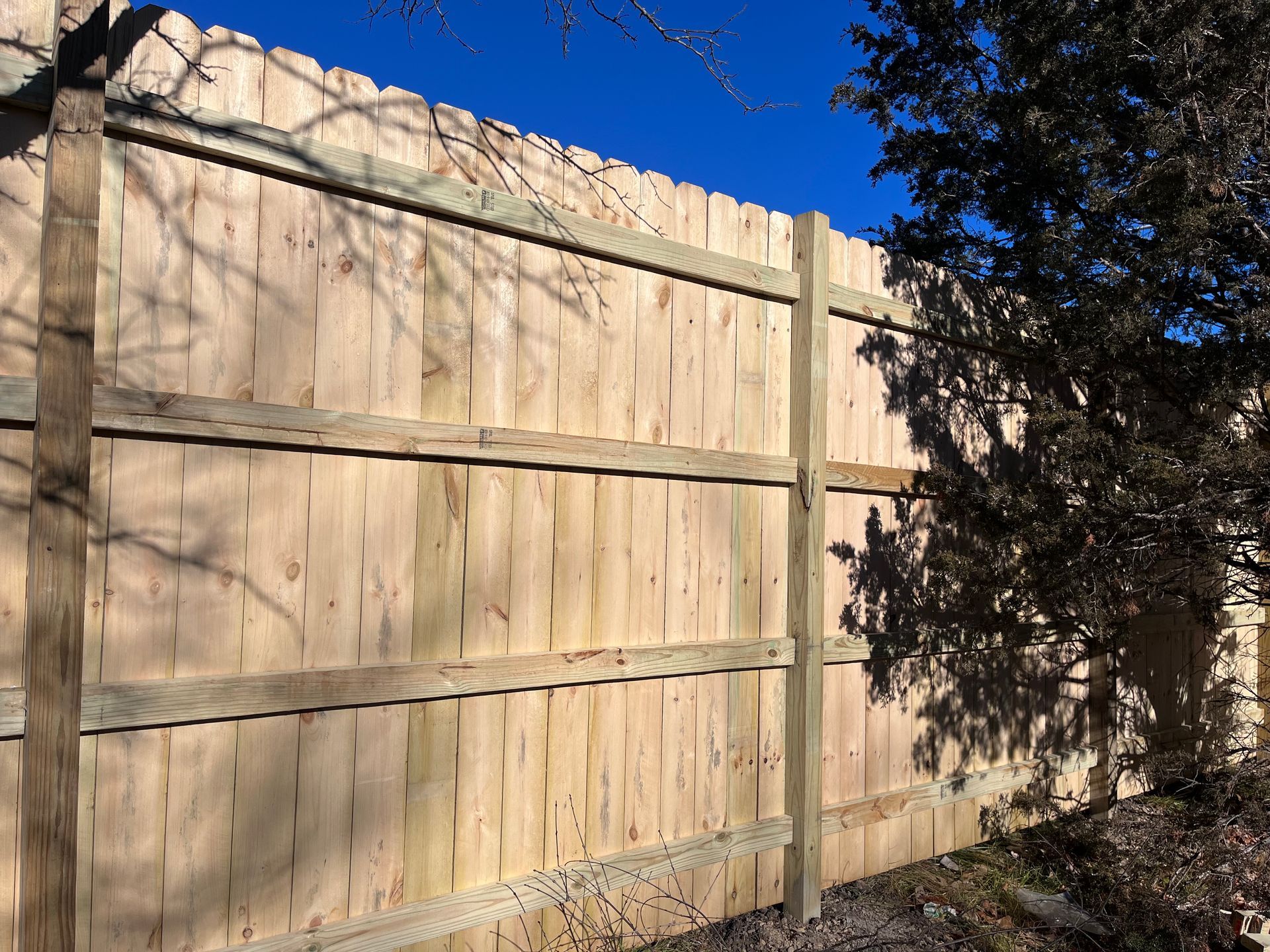
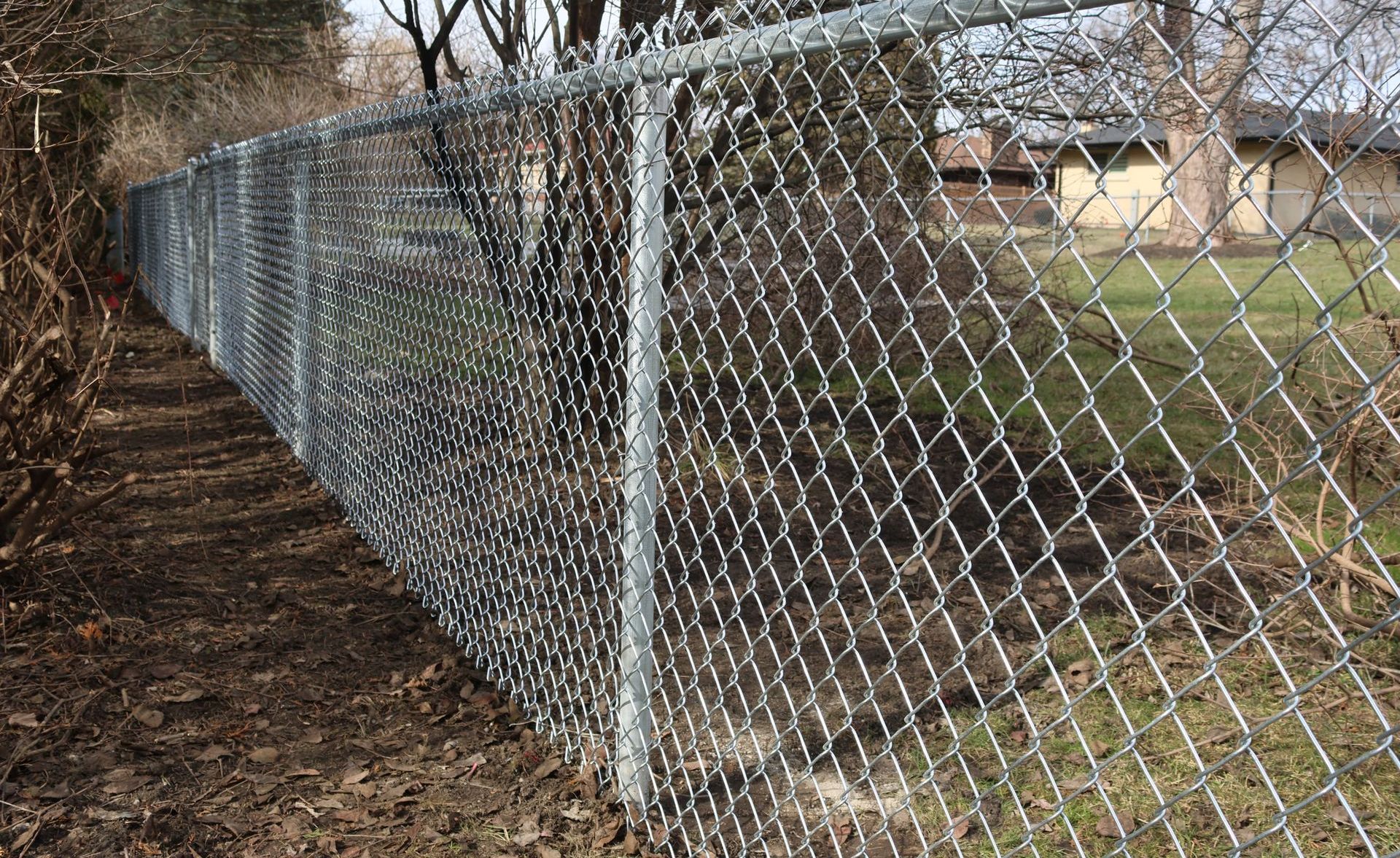
PRO TIP: a quick way to tell if an existing fence is yours or not is to determine which side of the property the horizontal rails are facing. If the horizontal rails are facing you, it should be your fence. If the horizontal rails are facing your neighbor, it should be your fence. This may not always be the case if the fence was installed incorrectly or if it is a dual side congruent fence (same on both sides). This typically applies to cedar fences, vinyl fences, treated pine fences, and chain link fences.
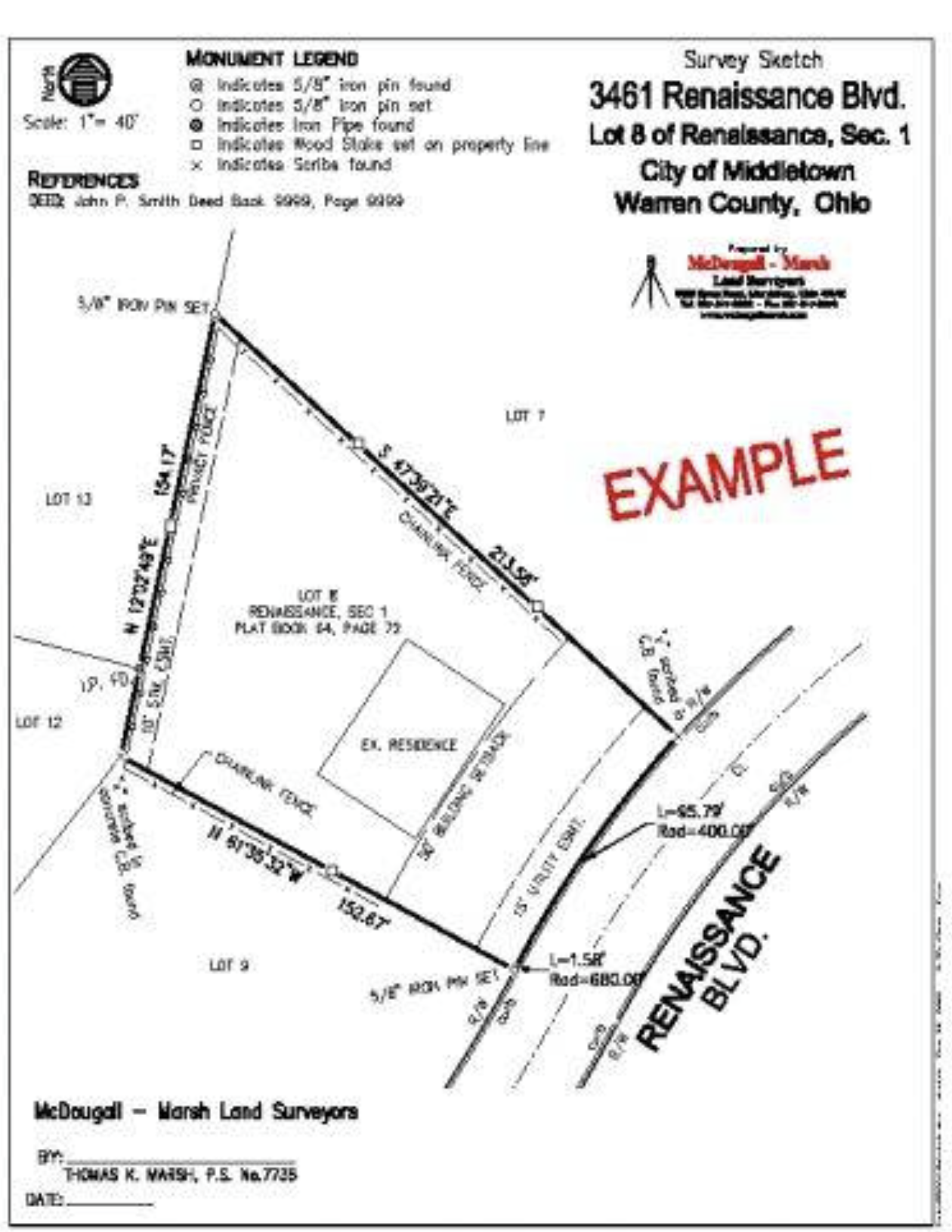
Plat of Survey Example for Fence Line
Can your neighbor remove a fence in Illinois?
Short answer: Usually no—if it’s shared or protects your property.
A neighbor generally cannot remove a fence if:
- It sits on the property line, or
- Its removal would expose your land to trespass, safety issues, or damage
If the fence is fully on their land, they usually can remove it—but only if:
- No HOA rules prevent it
- No written agreement exists
- No easement or safety requirement applies
If a neighbor removes a shared fence without consent, it can become a civil dispute quickly. Be sure to verify the fence is on your property before removing it.
What if the fence is in the wrong spot? (Encroachments)
This is one of the most expensive mistakes Illinois property owners make.
If a fence is over the line:
- It may be an encroachment
- You may be required to:
- Move it
- Remove it
- Negotiate a written agreement
Why this matters long-term
If an encroaching fence stays in place for many years without objection, Illinois law allows the possibility of adverse possession—meaning land can change ownership.
This is why professional fence companies insist on:
- Surveys
- Written neighbor acknowledgment
- HOA approval when applicable
HOA rules can override everything
If you live or operate inside:
- A subdivision
- A townhome community
- A commercial association
- An industrial park
Then HOA rules matter as much—or more—than state law.
Common Illinois HOA fence restrictions
- Front-yard fence bans
- Maximum heights lower than city code
- Approved materials only (no chain link, no stockade, etc.)
- Mandatory placement (rear yard only)
- Architectural approval required before installation
Skipping HOA approval is the fastest way to be forced to tear out a fence you already paid for.

Commercial and business properties: extra layers of risk
Fence ownership issues are more complex for businesses in Illinois.
Why?
- Shared access drives
- Utility easements
- Drainage corridors
- Fire lane requirements
- Municipal inspections
- Liability exposure
For warehouses, truck yards, retail centers, and churches, fence placement must account for:
- Setbacks
- Emergency access
- Visibility triangles
- Easement restrictions
A fence installed incorrectly on commercial property can become a six-figure problem, not a neighbor disagreement.
How Illinois fence disputes usually start
Most disputes follow the same pattern:
- Fence installed without a survey
- Neighbor objects after the fact
- HOA or city gets involved
- Removal or litigation becomes unavoidable
This is why reputable Illinois fence contractors insist on pre-installation due diligence.
How to protect yourself before installing a fence in Illinois
Step-by-step checklist
- Get or update your survey
- Especially if the fence is near a boundary
- Check local ordinances
- Height, setbacks, corner lots
- Review HOA documents
- Even if “everyone else has a fence”
- Talk to neighbors
- Written acknowledgment is best
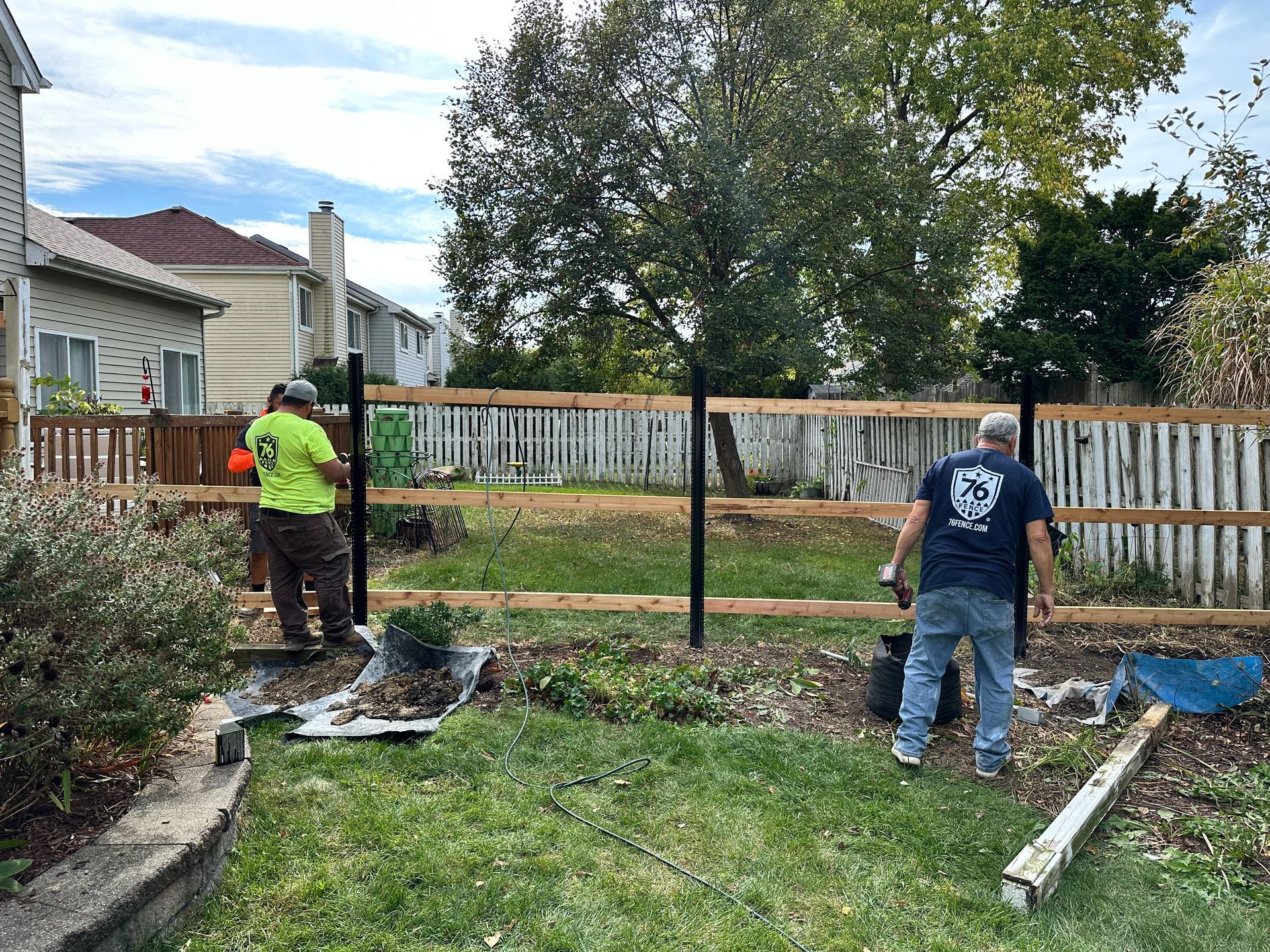
- Hire a professional fence company
- Not a handyman, not DIY
Why professional installation matters more than price
DIY or cut-rate installs often lead to:
- Fence removal orders
- HOA fines
- City fines
- Property disputes
- Lost land or forced easements
- No documentation to defend yourself
A professional Illinois fence contractor provides:
- Code-compliant layouts
- Survey-aware placement
- HOA-friendly designs
- Permit handling
- Documentation if disputes arise
Final takeaway for Illinois property owners
If you remember nothing else, remember this:
In Illinois, fence ownership is determined by surveys, law, and written rules—not assumptions.
The cost of doing it right is always less than the cost of fixing it later.

Need help planning a fence the right way?
If you’re a homeowner or business owner in Illinois and want:
- A fence placed correctly the first time
- Compliance with local code and HOA rules
- Reduced risk of neighbor or legal disputes
Work with an Illinois fence professional who understands property lines, regulations, and real-world enforcement—not just how to dig holes and set posts.
At the end of the day, it's important to view your plat of survey and view the measurements from structure to property line to discover exactly where a current fence is installed or where to place your new fence. Using a metal detector or pin point detector is helpful to find property stakes on the four corners. In Illinois, the front of the residential property usually have large stakes/staples. The rear usually has a 1/2" or 3/4" iron pipe. This can vary based on the age of your property. On occasion these markers may have been removed or covered in landscaping, obstructions, or tree roots.
Contact 76 FENCE today for a professional fence consultation. We can advise the best strategy to address property lines and review your plat of survey for the best path forward.
Fence Installation Blog



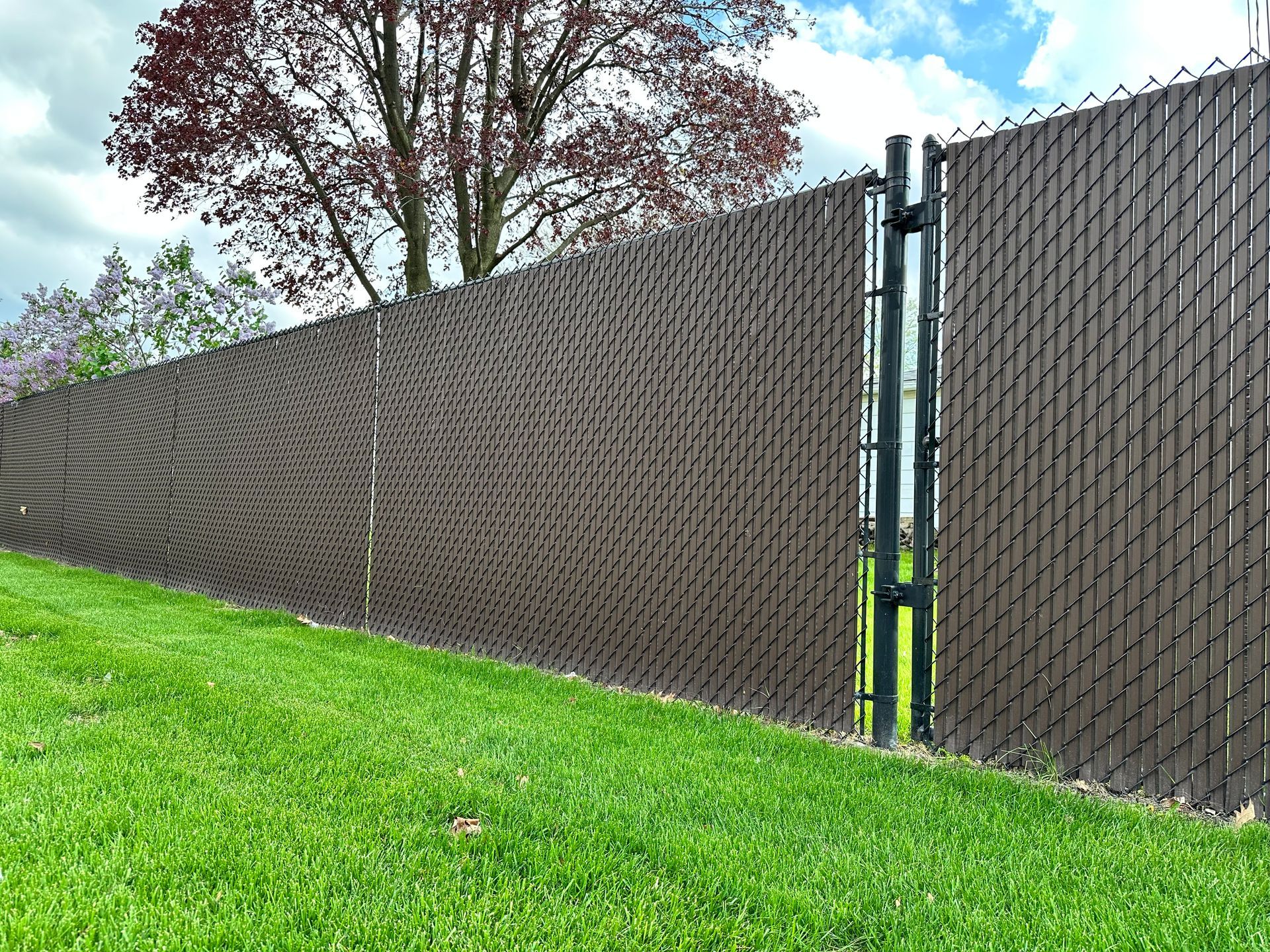
How to Upgrade Your Chain Link Fence with Privacy Slats: Benefits, Styles & Installation in Illinois